Spain Holidays


Spain holidays offer a mix of city breaks, beach holidays and island escapes.
Spain does beach holidays, family resorts and winter sun well, but its cities are just as popular. Classic destinations like Barcelona and Madrid attract visitors all year round, while places such as San Sebastián and Santiago de Compostela are gaining attention for their food, culture and walkable centres.
Architecture is a big part of the appeal to this country, with styles ranging from Gothic and Moorish to Renaissance and Modernist, depending on where you go. Seville shows off some of the widest variety, from its Gothic cathedral and the Moorish Alcázar palace to the tiled streets of the Triana district. Valencia, meanwhile, blends Medieval landmarks with green spaces like the Turia Gardens and is widely considered one of the best places in Spain to try paella. For instantly well-known sights, Barcelona stands out. Antoni Gaudí’s masterpieces, including La Sagrada Família and Park Güell, give the city its distinctive look, and make it a strong choice if you want to pack lots into a short break.
Spain’s reputation as a holiday favourite is built largely on its beaches. From the Costa Brava and Costa Dorada to the Costa Blanca, Costa Cálida and Costa del Sol – the country’s coastal regions stretch for around 8,000km across the mainland. You can choose between lively resorts or quieter stretches of sand, with families often visiting areas with big beaches that come with handy facilities, such as Salou, La Misericordia and Patacona. Spain also does city beaches particularly well, too. Places like Barceloneta Beach in Barcelona, La Concha in San Sebastián and Playa de las Arenas in Valencia allow you combine sightseeing with time by the sea.
Spain’s islands are a reliable option if you’re after warm weather and a good balance between lively areas and quieter spots. The Canary Islands sit much further south than mainland Spain, closer to Africa, which makes them a great choice for winter sun holidays. Tenerife, Lanzarote, Fuerteventura and Gran Canaria are the largest and busiest islands, with established resorts, loads of bars and restaurants as well as long beaches. La Gomera, however, is much smaller and is best for walking holidays, with deep valleys. You can also spot whale and dolphins offshore. One of the islands that tends to get overlooked is La Palma, with it being one of the least-visited islands. But, if you enjoy natural beauty, this is the one – the entire island is a UNESCO biosphere reserve.
Then, you’ve got the Balearic Islands – Majorca, Ibiza, Menorca and Formentera – which sit in the Mediterranean, bringing clearer waters and greener scenery. Majorca’s capital, Palma, is a popular city break, thanks to its Gothic cathedral. But the whole island has loads of beautiful beaches to visit at the same time. While Ibiza is known for its lively nightlife, this island also has another side that’s worth exploring. Away from the clubs, the island also has gorgeous coastal views and impressive sunsets.

This island’s been a family favourite for years – Palma and the coastal town of Sóller are both popular choices for their historic landmarks and family-friendly beaches. The island is great for an active break, too, with walking trails and cycling routes.
Top deals from
£181
Includes mandatory fees and taxes
While it’s known as the party island, Ibiza’s got a few quieter spots, too. Choose Playa d’en Bossa and San Antonio for DJ sets or places like Cala Tarida and Cala Llonga for more relaxing island life.
Top deals from
£259
Includes mandatory fees and taxes
The capital of Catalonia, Barcelonas filled with tapas bars, Gothic architecture and Gaudi’s best works. You'll also find loads of shopping streets, galleries and a chance for a sea swim at the city’s handy beach.
Top deals from
£320
Includes mandatory fees and taxes
This Canary Island is famous for Spain’s tallest mountain, Mount Teide, and one of Spain’s largest carnivals, the Santa Cruz de Tenerife Carnival. It's ideal for hiking and stargazing, and when it comes to the beaches, you’ll find a mix of golden sand and darker, volcanic shores.
Top deals from
£179
Includes mandatory fees and taxes
Known as the ‘sun coast’, where Malaga’s the main city, then Torremolinos, Marbella, Puerto Banus and Estepona dot the seafront as you head south. There’s a good mix of beach clubs, boutique shops and Blue Flag beaches here.
Top deals from
£185
Includes mandatory fees and taxes
This island is good for surfers and outdoor adventures. It has large beaches for sunbathing and watersports, plus the weather stays warm here through the winter.
Top deals from
£224
Includes mandatory fees and taxes
A quieter Balearic Island, home to Albufera des Grau Natural Park – a UNESCO biosphere reserve. The capital, Mahón, has a long natural harbour, a historic gin distillery and traditional places to eat and drink. When it comes to beaches, Cala Trebalúger is a forest‑backed cove that tends to stay peaceful, while Cala Macarella is known for its calmer setting and evening sunsets.
Top deals from
£201
Includes mandatory fees and taxes
Another classic Canary Island, here you can explore Timanfaya National Park and several volcanic vineyards. This one’s nice and small so you can drive around to see it all, from fishing villages to viewpoints and Cesar Manrique’s Jardín de Cactus.
Top deals from
£218
Includes mandatory fees and taxes
Explore the golden sand dunes of Maspalomas and visit Las Palmas, which feels a bit more South American than Spanish. You’ll also find a lively nightlife scene in many places, or for something more peaceful, choose resorts like Playa Taurito and Amadores.
Top deals from
£226
Includes mandatory fees and taxes
This one's known as the ‘white coast’ because of its 200-kilometre stretch of shoreline, starting near the city of Valencia. Benidorm’s known for its buzzy bars and clubs, but for a change of scenery, head to Denia’s authentic market.
Top deals from
£176
Includes mandatory fees and taxes


Fuengirola, Costa del Sol, Spain
677 reviews
Different flights might be available on the next step
Your holiday: £220pp


Santa Susanna, Costa Barcelona, Spain
Different flights might be available on the next step
Your holiday: £298pp


Salou, Costa Daurada, Spain
1268 reviews
Different flights might be available on the next step
Your holiday: £278pp
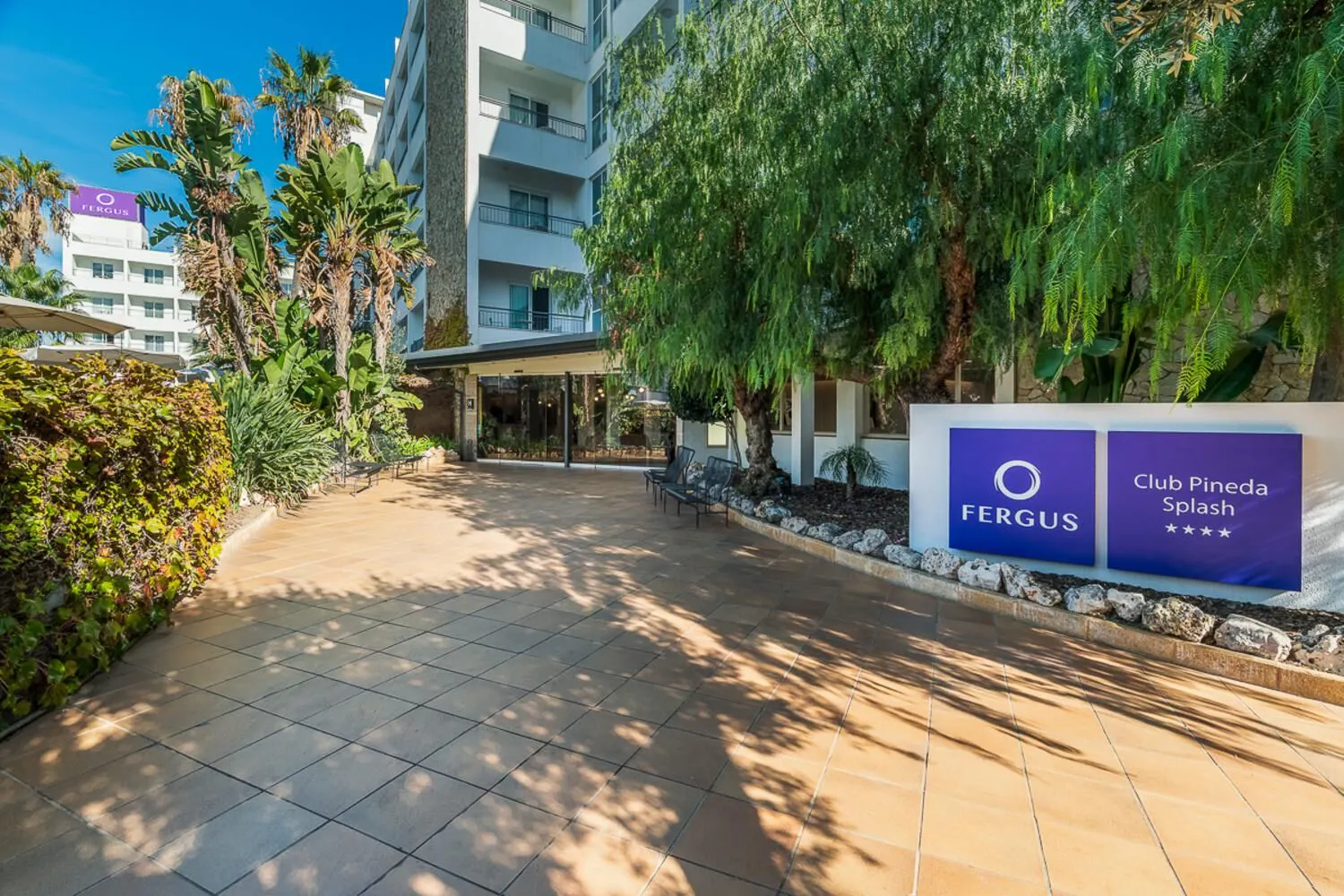
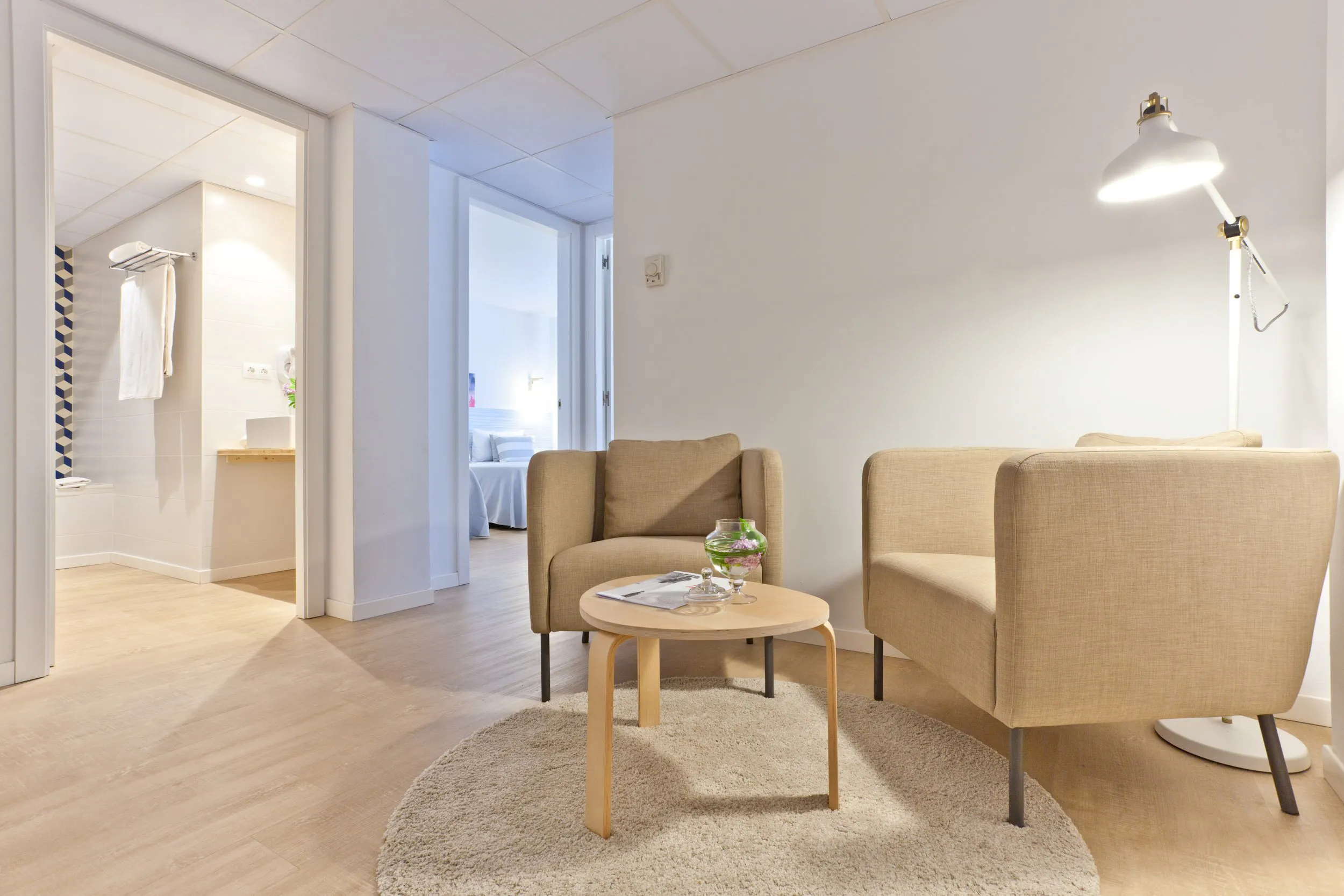
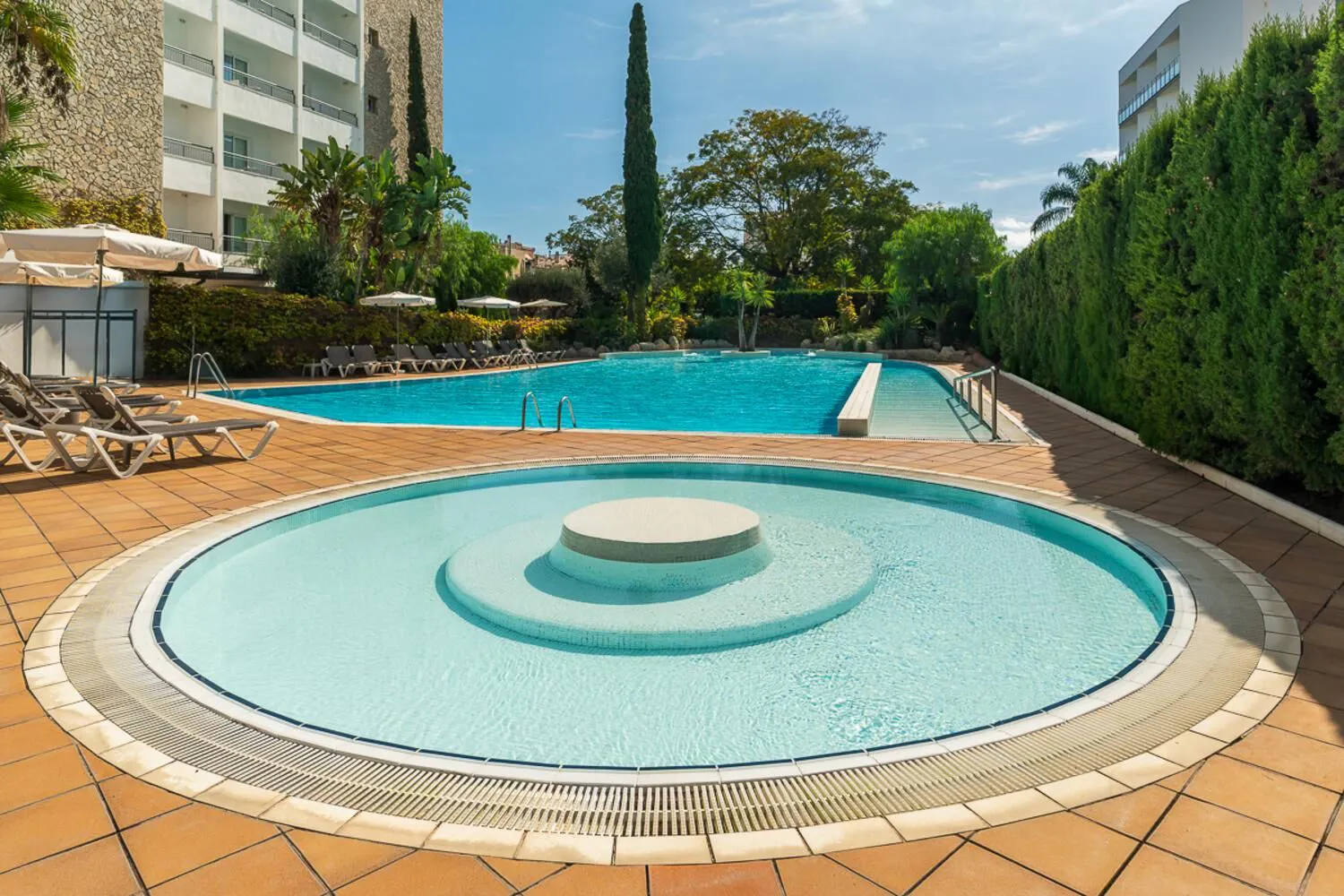

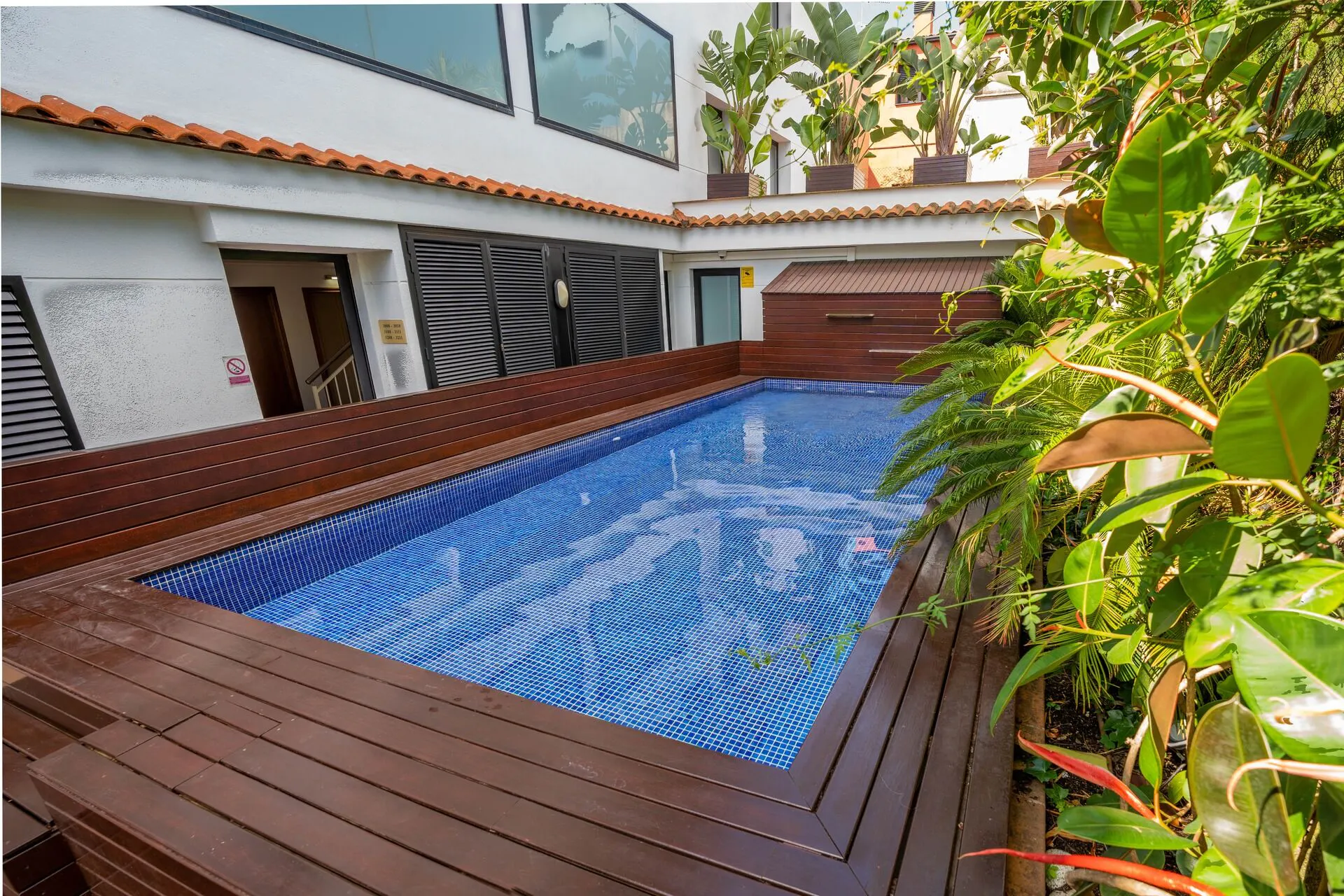


Pineda de Mar, Costa Barcelona, Spain
1465 reviews
Different flights might be available on the next step
Your holiday: £334pp


Fuengirola, Costa del Sol, Spain
950 reviews
Different flights might be available on the next step
Your holiday: £298pp


Benidorm, Costa Blanca, Spain
325 reviews
Duration information
This holiday includes an overnight flight, as a result you’ll only have 6 nights in this hotel.
To explore other flight options, tap ‘View Detail’ and check the ‘Flights’ tab. Or, use the Flight Time filter on this page to see more results.
Different flights might be available on the next step
Your holiday: £306pp


Port d'Alcúdia, Majorca, Balearic Islands, Spain
295 reviews
Different flights might be available on the next step
Your holiday: £322pp


Nuevo Horizonte, Fuerteventura, Canary Islands, Spain
3558 reviews
Different flights might be available on the next step
Your holiday: £320pp


Benalmadena, Costa del Sol, Spain
4920 reviews
Different flights might be available on the next step
Your holiday: £321pp


Salou, Costa Daurada, Spain
1260 reviews
Different flights might be available on the next step
Your holiday: £356pp


Palma Nova, Majorca, Balearic Islands, Spain
499 reviews
Duration information
This holiday includes an overnight flight, as a result you’ll only have 6 nights in this hotel.
To explore other flight options, tap ‘View Detail’ and check the ‘Flights’ tab. Or, use the Flight Time filter on this page to see more results.
Different flights might be available on the next step
Your holiday: £353pp


Benidorm, Costa Blanca, Spain
3725 reviews
Different flights might be available on the next step
Your holiday: £353pp
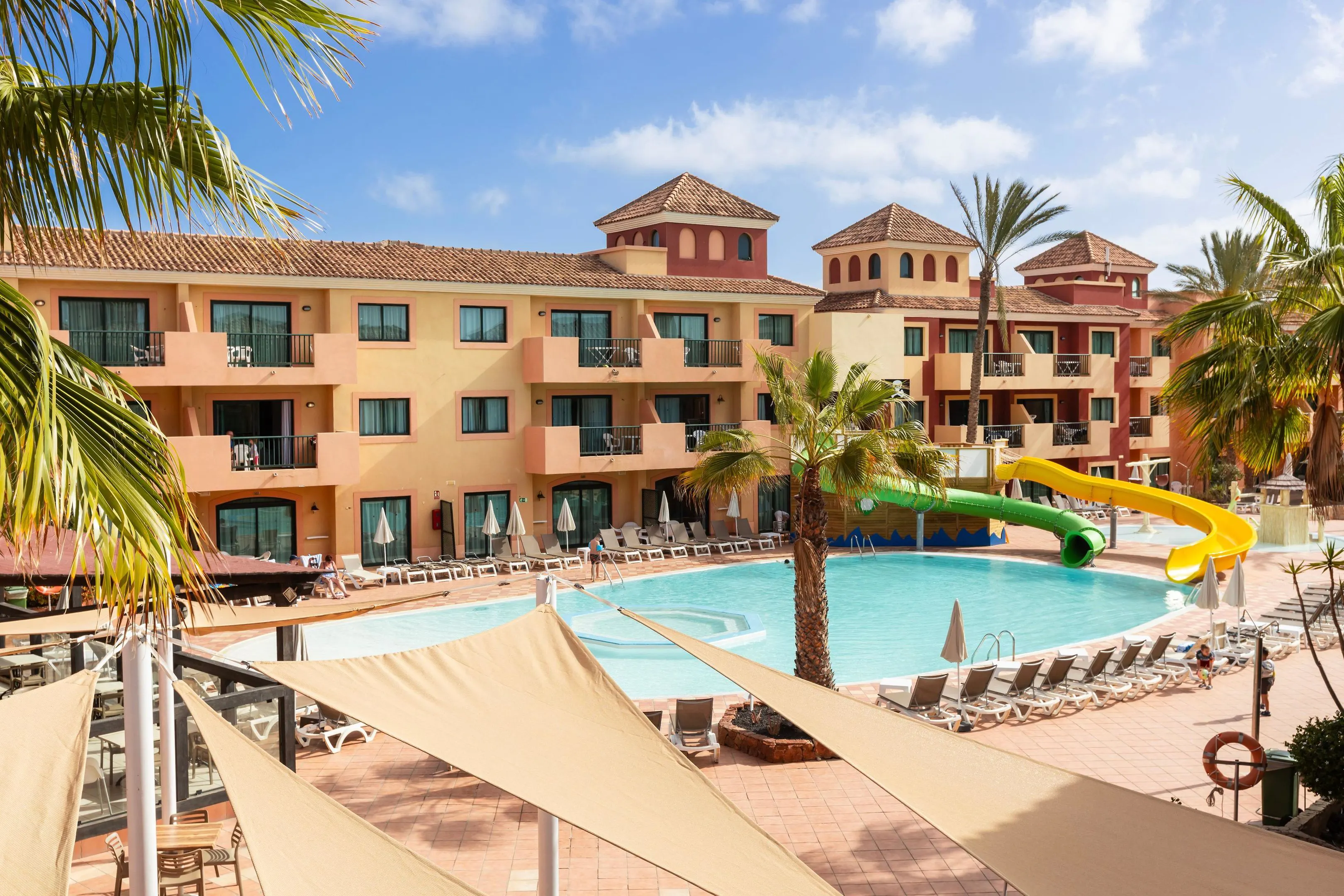
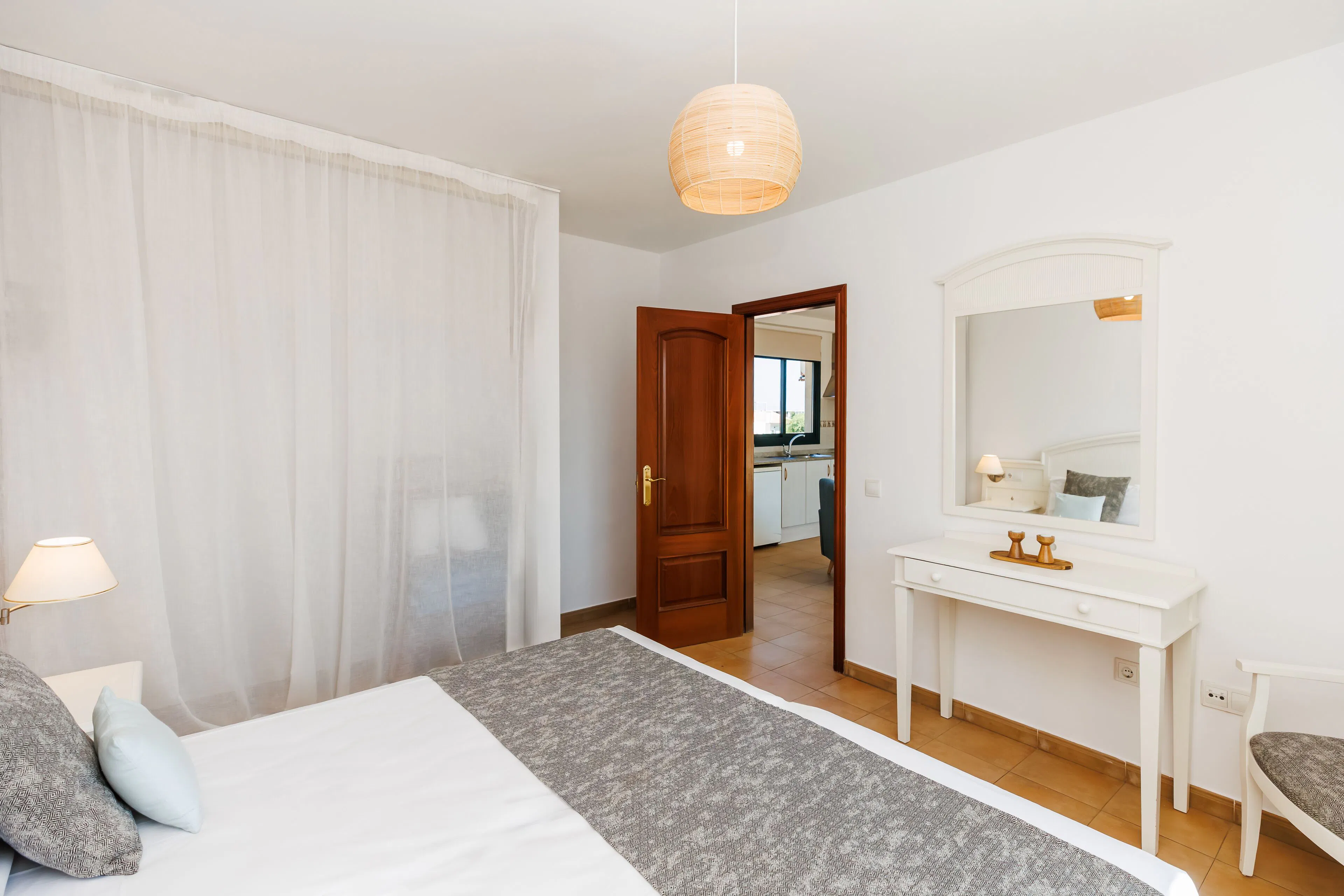
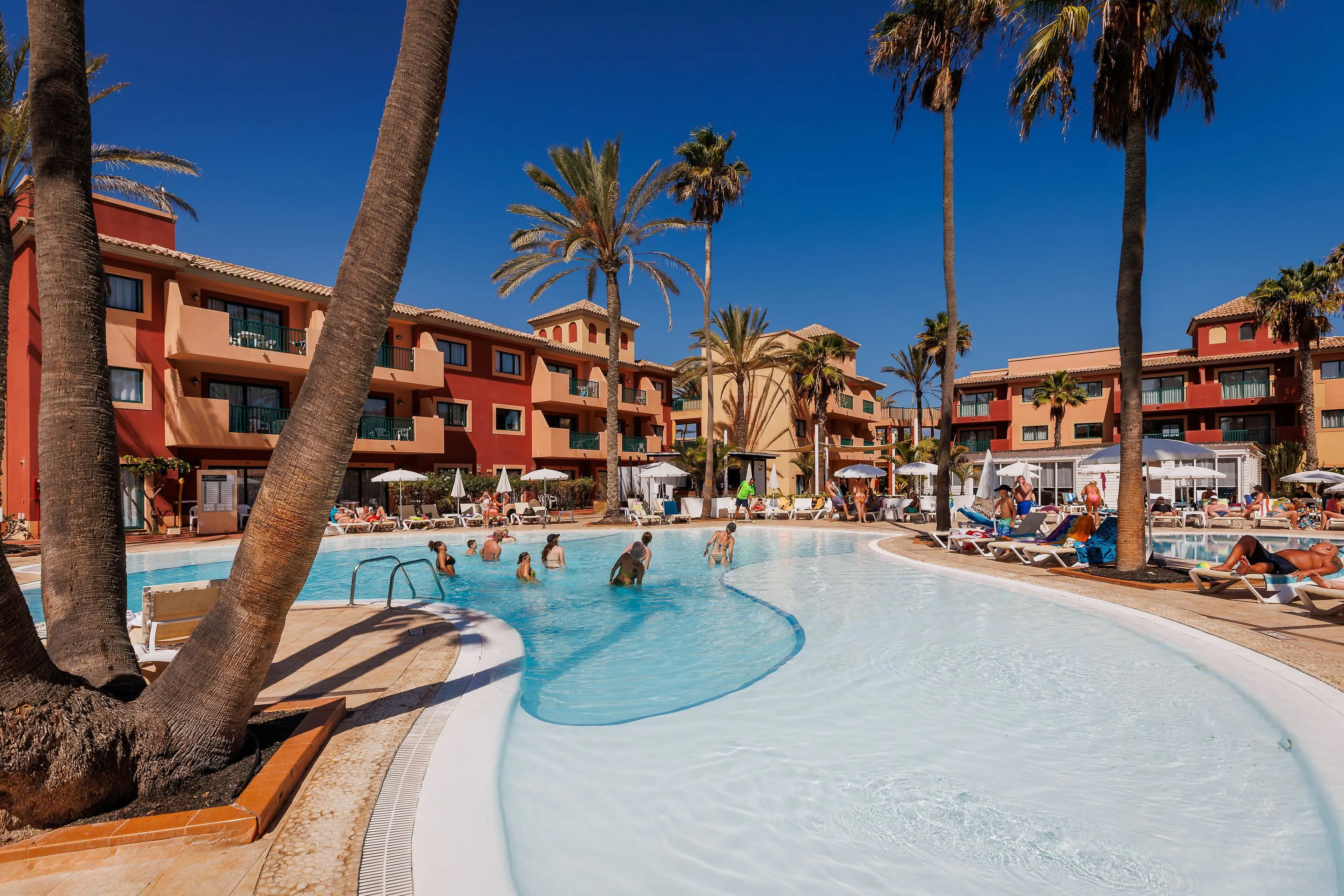

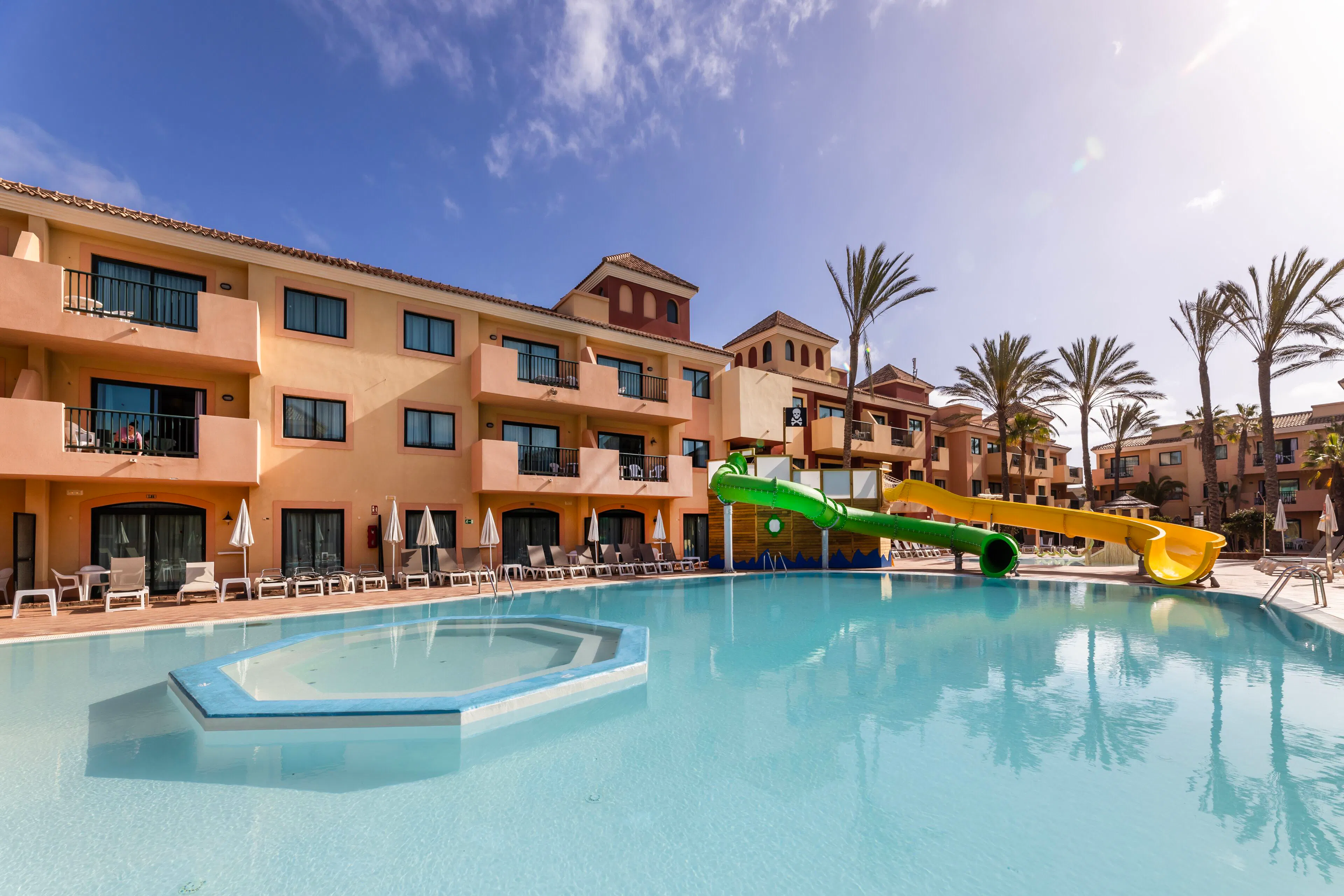


Corralejo, Fuerteventura, Canary Islands, Spain
3401 reviews
Different flights might be available on the next step
Your holiday: £374pp


Salou, Costa Daurada, Spain
323 reviews
Different flights might be available on the next step
Your holiday: £428pp
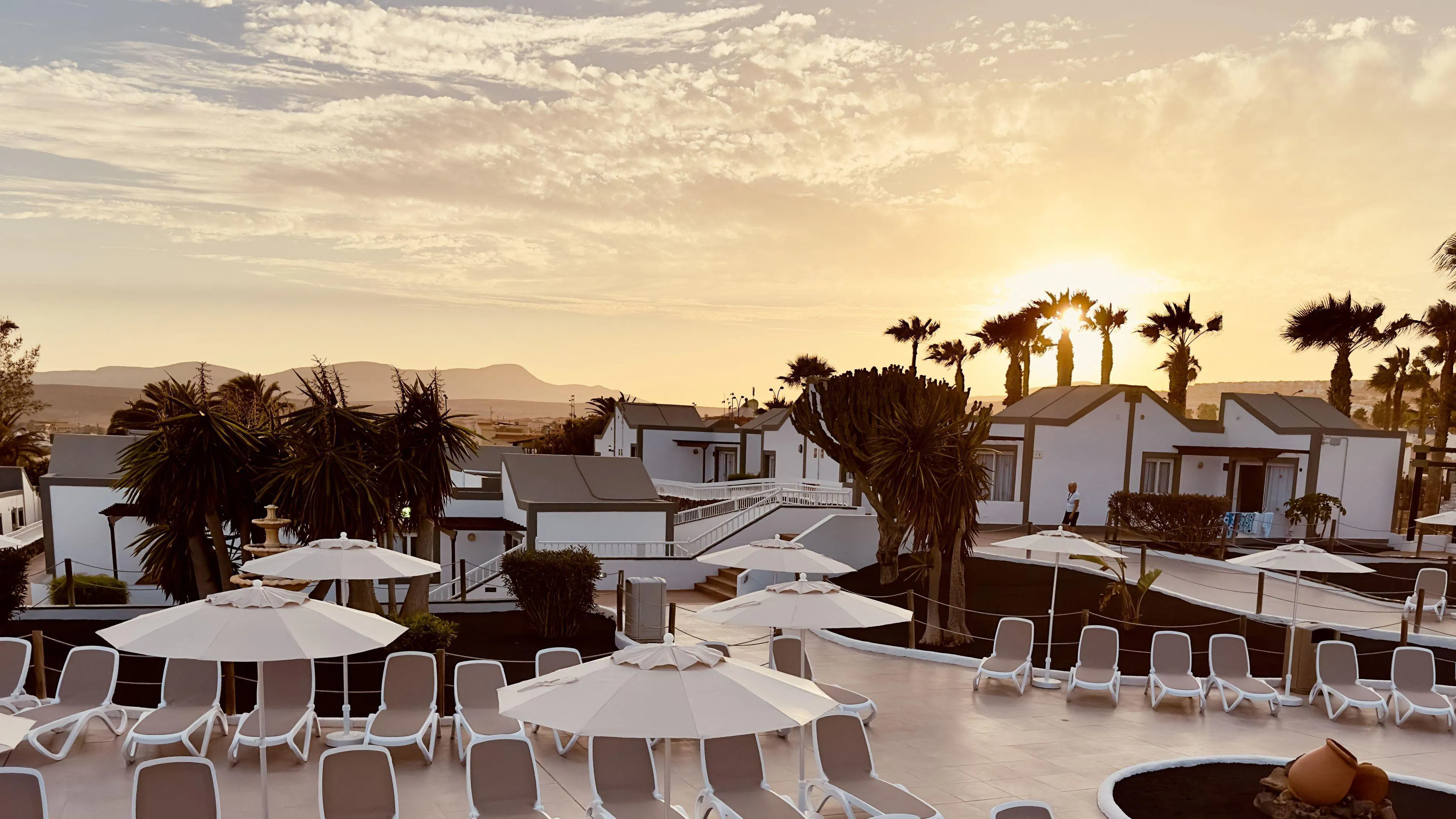


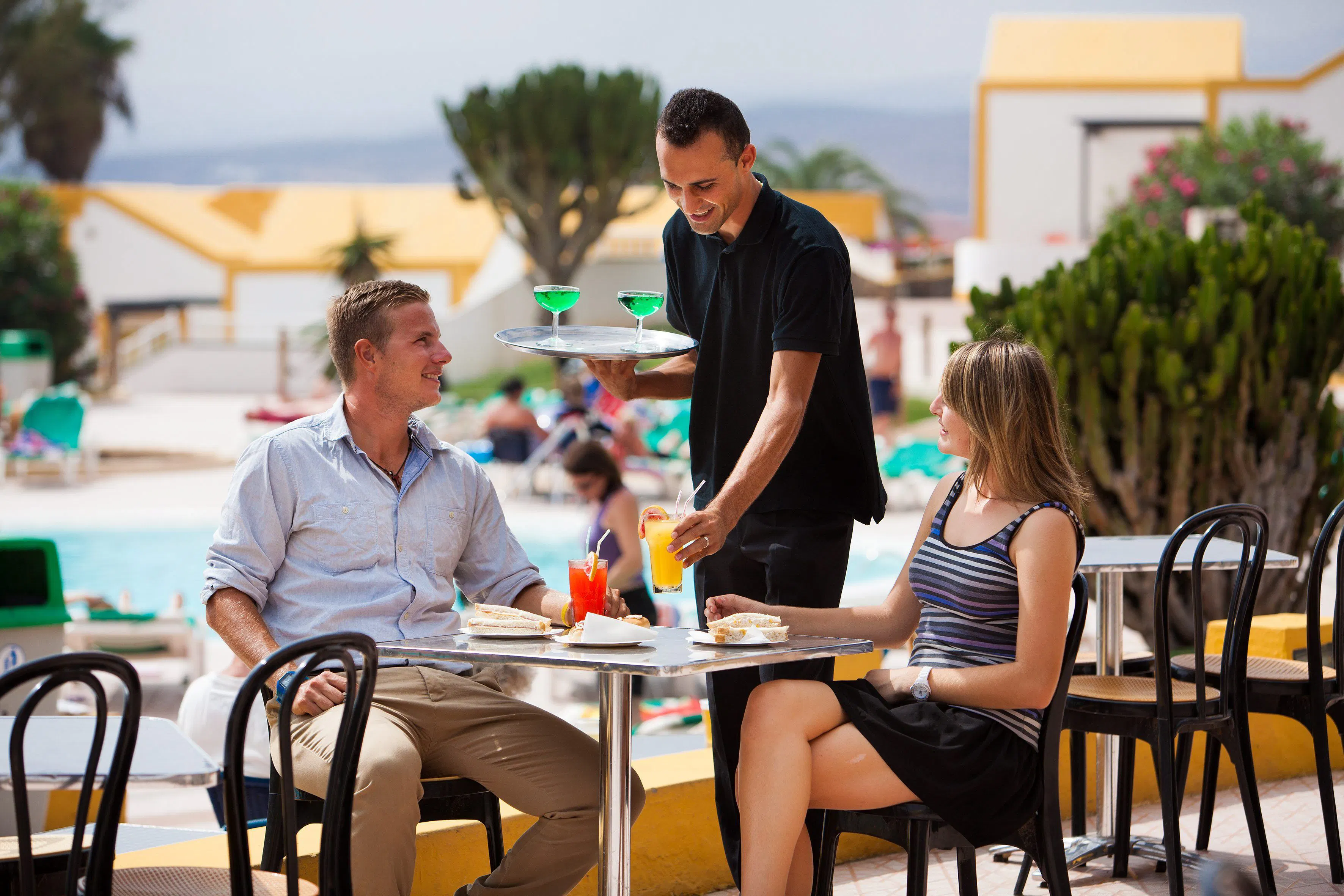
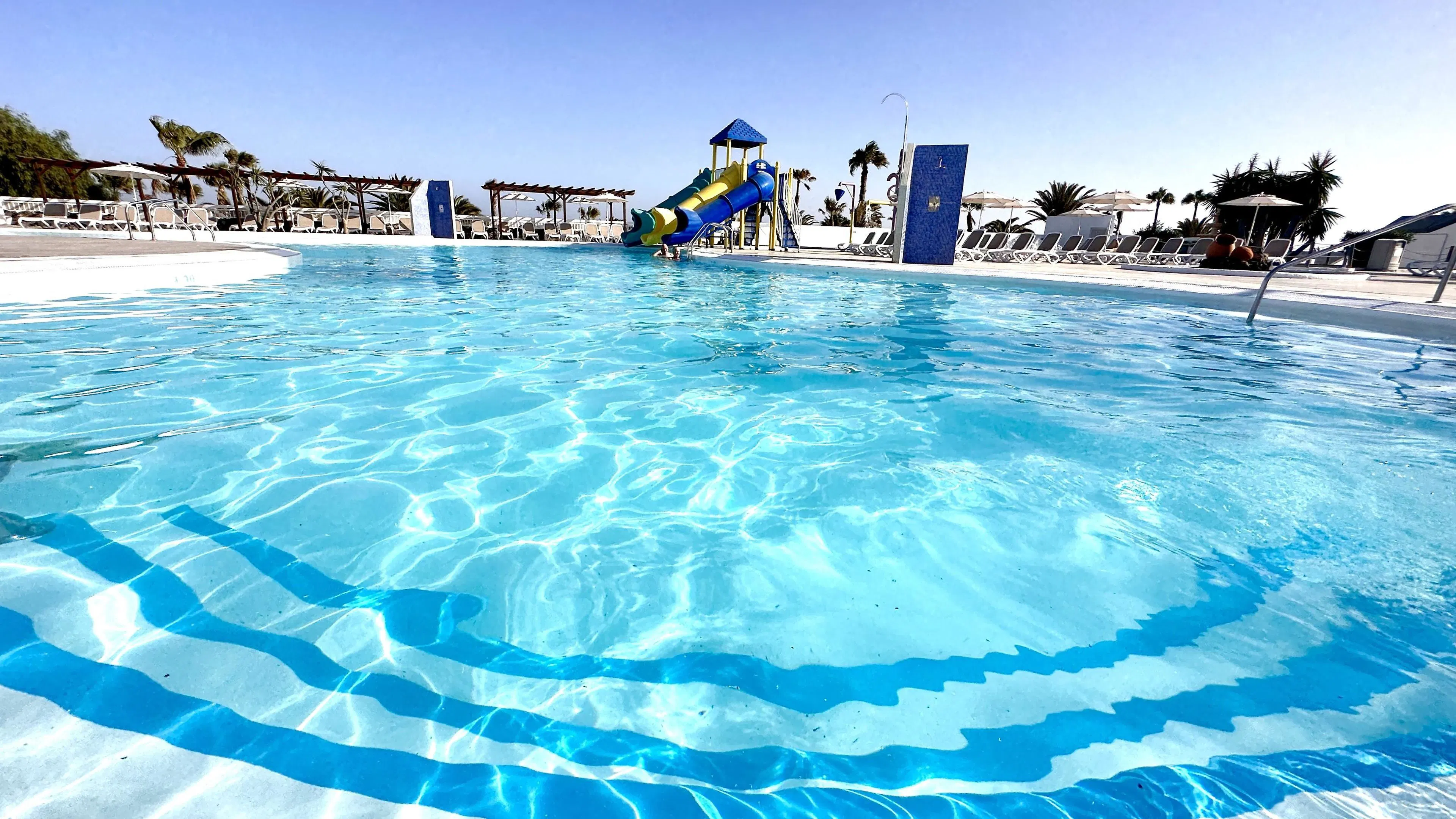


Caleta de Fuste, Fuerteventura, Canary Islands, Spain
5386 reviews
Different flights might be available on the next step
Your holiday: £422pp
Spain’s a popular choice for UK travellers, thanks to the short flight time and similar time zone. The cities here work well for a short weekend getaway, while you can easily enjoy a full week at one of the many coastal resorts.
Spain has five main coastlines, with around 8,000 kilometres of it spread across the mainland. Add in the islands as well and you have no shortage of beaches, plus many of these resorts work well for a winter sun escape, too.
Tapas is a simple way to try a range of dishes in one sitting. Patatas bravas are a classic, while in the Basque Country, you’ll find pintxos – small tapas on sticks.
You might already be familiar with Barcelona and Madrid, but cities like Santiago de Compostela and San Sebastián are worth adding to your list, too.

The Sagrada Família, Barcelona – This is Gaudí’s masterpiece and one of Spain’s most famous landmarks. The basilica blends Gothic and Modernist designs and is famously unfinished.
The Alhambra, Granada – Wander through this Moorish palace and fortress to see the intricate Nasrid Palaces, the serene Generalife Gardens and the impressive Alcazaba fortress. Nearby, Charles V’s Renaissance Palace is also open to visitors and offers wide views across the Sierra Nevada.
Seville Cathedral, Seville – Make a visit to the largest Gothic cathedral in the world – it’s where you can find Christopher Columbus’ tomb. Then, climb La Giralda for panoramic city views and enjoy the peaceful Patio de los Naranjos.
The Alcázar, Seville – This is the city’s old royal palace and a great example of Mudéjar architecture. You get access to the ornate Patio de las Doncellas, the gilded Hall of Ambassadors and the underground Baths of Doña María de Padilla. And don’t miss the gardens – they featured in Game of Thrones.
The Royal Palace, Madrid – Explore the grandest royal palace in Europe, featuring opulent rooms, the breathtaking Throne Room and the impressive Royal Armoury. You can stroll through the Sabatini Gardens and catch the changing of the guard ceremony. And, while you’re in the city, go see Puerta del Sol, the city’s bustling central square, and Plaza Mayor, a buzzing historic hub.
The Guggenheim Museum, Bilbao – Where avant-garde architecture and world-class exhibits come together. Bilbao is one of Spain’s most underrated cities to explore – head to the Ría de Bilbao, where riverside promenades and scenic bridges make for a beautiful walk.

Spain’s got two archipelagos to choose from – the Balearic Islands and the Canary Islands.
Majorca – Majorca offers much more than just beach days. Move away from the busiest resorts and you’ll find quieter, more rural spots. The Tramuntana Mountains are popular for walking, while the coastline works for sea‑cave kayaking and kitesurfing when the wind picks up. For a change of pace, Palma offers Medieval architecture, narrow streets and a lively evening scene.
Ibiza – Ibiza is for travellers who like variety. The island is known for its clubs and beach bars, but there is also a calmer side that’s made up of small villages and secluded coves. Days can be spent kayaking along the shoreline or seeking out quieter beaches, leaving nights open for either clubbing or relaxed cocktails on the beach.
Tenerife – Tenerife has two sides to it. The south is livelier, with golden beaches, nightlife and busy promenades, while the north feels greener and slower, with black volcanic sand, forested areas and traditional towns. Mount Teide – Spain’s tallest mountain and a dormant volcano – is one of the island’s main attractions and is popular for both hiking and stargazing.
Lanzarote – Lanzarote’s volcanic landscape gives the island a distinctive look, shaped by lava fields and dark rock formations. Timanfaya National Park is the centrepiece for walking and sightseeing, while the beaches offer space to relax. It’s also got art and architecture to admire – largely influenced by César Manrique, whose work is woven into many parts of the island.
Fuerteventura – This island has loads of natural scenery, like volcanic terrain, quiet beaches and natural pools. It's particularly popular for watersports such as windsurfing and snorkelling, though the long sandy beaches also suit slower days for swimming and sunbathing.

The Spanish mainland has its share of mountain ranges, but the highest peak is found on the Canary Islands.
The Picos de Europa, Cantabria – These are the ‘Peaks of Europe’, spread across Asturias, Cantabria, Castile and Léon and form part of the Cantabrian Mountains in the north of Spain. The national park features rugged peaks, green valleys and charming villages, plus trails like the Ruta del Cares are ideal for both experienced and casual hikers.
Mount Teide, Tenerife – Spain’s highest peak is in Teide National Park, and you can reach the top by hiking or via a cable car. It's a great spot for stargazing, so it’s worth booking a sunset tour.
Timanfaya National Park, Lanzarote – Explore the lunar-like landscape of Lanzarote’s volcanic park, with a guided walk or camel ride to see its dramatic craters and lava fields.
The Tabernas Desert, Almería – This is Europe’s only desert and the backdrop for many classic films, like Cleopatra and Lawrence of Arabia.

Even if you don’t think you’re after anything, the markets in Spain are part of the local culture.
Madrid – Head to the Golden Mile – Milla de Oro – in the Salamanca district for a big shopping spree. This area’s home to high-end designer shops like Chanel, Louis Vuitton and Spanish fashion house, Loewe. If you prefer something a bit more independent, Malasaña and Chueca are good places to explore with vintage shops and small, locally-run boutiques.
Barcelona – Stroll down Passeig de Gràcia, where luxury shops meet iconic Catalan architecture. Then, head to the El Born district for artisan products and handmade jewellery. For a local experience, visit the Encants Market, which is one of Europe’s oldest flea markets.
Valencia – Central Market’s lively stalls offer fresh produce, gourmet food and authentic souvenirs. For fashion and crafts, the Colón Market is full of upscale shops and cafés.
Granada – Explore the Alcaicería, Granada’s historic Moorish bazaar, filled with stalls selling ceramics, textiles and jewellery. This market is the perfect place to find unique souvenirs inspired by Andalusian culture. Nearby, local boutiques also sell artisanal leather goods and traditional flamenco dresses.
Bilbao – Walk through Gran Vía – it’s filled with flagship stores and luxury brands – then head to the Casco Viejo, or Bilbao Old Town, for independent boutiques and traditional Basque goods, including handcrafted leather bags and traditional espadrilles.

The Canary and Balearic Islands have loads of clubs to choose from, but many of Spain’s top cities also have a good bar scene, too.
Ibiza – Start with sunset drinks at Café del Mar or Mambo on San Antonio’s strip, then head out to the big clubs like Pacha, Amnesia, or Ushuaïa, where international DJs attract large crowds throughout the season.
Madrid – Malasaña is Madrid’s buzzy nightlife district, with indie music venues and cosy cocktail bars. The La Latina district is known for its lively tapas bars and end the night in a traditional flamenco bar.
Seville – Seville’s Triana district is full of intimate flamenco performances. But for a more modern experience, head to Alameda de Hércules, a square lined with bars, outdoor terraces and cocktail spots.
Barcelona – The Gothic Quarter is where you’ll find a lot of bars and smaller clubs, but Plaza Real has the most famous venues. To end your evening by the beach, Port Olympic has beach clubs like Opium and Shôko.
San Sebastian – Start your evening at pintxos bars in the Parte Vieja – the Old Town – and later, explore the bars along La Concha Bay for drinks along the coast. For the best sunset, take a hike or ride on the funicular up Monte Igueldo – the panoramic views from here capture the sea and city.

Spain’s full of festivals, so time your trip with one of these events.
Primavera Sound Barcelona, June – This annual music festival features a line‑up of international and Spanish artists. It’s hosted in Parc del Fòrum, which is right in Barcelona, so it works well alongside a city break. And, with every ticket, you get 25% off a Hola Barcelona Travel Card for unlimited travel around the city.
Festival Internacional de Benicàssim, July – Every July, this festival plays pop, rock and electronic music in the town of Benicàssim in the Valencian Community. It’s seen the likes of Bastille, Franz Ferdinand and the Black Eyed Peas headline.
La Tomatina, August – For something more local, join one of the world’s most famous food fights in Buñol, where thousands get together to hurl overripe tomatoes at each other. Old clothes and goggles are recommended.
Carnival, February/March – Spain’s Carnival celebrations are often compared with Rio’s, largely thanks to events in Tenerife and Cádiz. You can expect colourful costumes, large parades and busy street celebrations. Tenerife’s events also include the unusual Burial of the Sardine.
Christmas markets – Spain might not be your first thought for a Christmas market break, but cities like Barcelona and Madrid put on festive stalls just like the colder parts of Europe. Wander through the Fira de Santa Llúcia in Barcelona or Plaza Mayor in Madrid – they’re known for selling roasted chestnuts and a festive turrón-flavoured drink.
flight away.
Costa del Sol – Set within Andalusia, you've got Marbella’s glamorous beach clubs like Nikki Beach, while Nerja has a more laidback feel with its famous Burriana Beach and cliffs. With the whole region boasting over 325 sunny days a year, it’s a go-to for beachgoers.
Costa Brava – Part of Catalonia, Tossa de Mar combines a Medieval old town with gorgeous beaches, like Platja Gran. Hidden gems such as Cala Pola are perfect for travellers that enjoy a secluded spot, and even though a lot of this area is surrounded with natural beauty, they’re still accessible.
Costa Blanca – Stretching for 200 kilometres down from Valencia, along the Mediterranean, Costa Blanca is known for its lively resorts like Benidorm. Levante is one of the most popular beaches here and is packed with watersports. Or, for a quieter escape, Playa de San Juan, near Alicante, has a family-friendly feel.

Mix your city breaks with the beach for the ultimate escape.
Barceloneta Beach, Barcelona – Walkable from the heart of Barcelona, Barceloneta Beach is a big stretch of sand with an urban feel. Sunbathe, swim or enjoy beachside food and drinks at one of the many beach bars.
La Concha, San Sebastian – Often listed as one of Europe’s most beautiful city beaches, La Concha is a crescent-shaped bay with calm, shallow waters. It’s just steps from San Sebastian’s Old Town, so perfect for combining beach time with pintxos bars. You’ll also find paddle-boarding and kayaking are popular here, thanks to the protected waters.
Malagueta Beach, Málaga – Just a short walk from Málaga’s historic centre, Malagueta Beach is ideal for a quick dip. Its golden sands are lined with beach bars serving espetos – skewered sardines grilled over open flames – and it’s close to cultural hotspots, like the Picasso Museum.

Book a Spanish Island holiday and you get a 360‑degree coastline to enjoy.
Ibiza – Ibiza’s beaches range from lively party hubs to relaxed hideaways. Playa d’en Bossa is perfect for those who love music, cocktails and watersports, while Cala Saladeta is a quieter retreat with clear waters and cliffs.
Majorca – Majorca’s home to many of Spain’s best beaches. Playa de Muro is a family-friendly gem with shallow, turquoise waters and soft sands. For something more secluded, hike to Cala Agulla, a hidden beach surrounded by pine forests.
Tenerife – Tenerife’s beaches range from black volcanic sands to golden stretches. Playa Jardín was designed by artist César Manrique and features leafy gardens and a dramatic volcanic backdrop. Then, Playa de las Teresitas, near Santa Cruz, is a sandy spot, perfect for swimming watersports.

Spanish holidays are a popular choice for families, mainly because of its range of beaches.
Playa de Palma, Majorca – With shallow waters, kids can safely play in the gentle waves, and beach activities like paddleboats add extra fun.
La Barrosa, Andalusia – La Barrosa is a wide, sandy beach with calm waters and family-friendly facilities. There are playgrounds, beachside restaurants and loads of parking, so you can bring the beach games with you.
Playa de Las Canteras, Gran Canaria – Known for its natural reef protecting the shoreline, Playa de Las Canteras has excellent snorkelling for all ages. The long promenade is perfect for family walks, with ice-cream parlours and spots to stop for lunch or a snack.

Beaches aren’t just for sunbathing on holidays to Spain – these places that are known for watersports.
Tarifa, Andalusia – Tarifa is Europe’s windsurfing and kitesurfing capital, thanks to its strong, consistent winds. Beginners and professionals will love beaches like Playa de Los Lances, where surf schools and equipment rentals are easy to find.
Fuerteventura, Canary Islands – Fuerteventura is popular with watersports fans, with over 150 beaches and ideal conditions. Sotavento Beach hosts international windsurfing championships, while spots like Corralejo offer top surfing and snorkelling scenes. The clear waters and diverse marine life also make it a popular choice for scuba diving.
Lanzarote, Canary Islands – With its volcanic underwater landscapes, Lanzarote is great for divers and snorkellers. Playa Chica in Puerto del Carmen is a hotspot for exploring lava reefs and spotting marine creatures like angel sharks. Surfers can also head to Famara Beach, which is known for its consistent waves.

Spain has been serving small plates for generations, which makes it a good fit if you like variety or struggle to choose just one dish.
Paella – It’s a large, shallow dish of saffron-flavoured rice, cooked with ingredients like seafood, chicken or rabbit. Vegetarian versions are also available with seasonal vegetables.
Tortilla Española – A simple Spanish omelette made with eggs, potatoes and onions, and served as a tapas dish or even for breakfast.
Jamón Ibérico – Cured Iberian ham – it’s a local delicacy and best enjoyed thinly sliced with bread or paired with wine.
Gazpacho and salmorejo – Refreshing cold soups made with tomatoes, olive oil and garlic. Salmorejo is a thicker version and often garnished with hard-boiled egg and some jamón.

Eat on the go with these street food treats, and we’ve recommended some of the best markets to find them at, too.
Bocadillos – A sandwich filled with jamón, chorizo or even tortilla Española. They’re ideal for a quick, affordable meal.
Empanadas – Pastry pockets filled with meat, fish or vegetables, popular in northern Spain and Galicia.
La Boqueria Market, Barcelona – A food lover’s paradise, offering everything from fresh seafood to cured meats and local cheeses.
Mercado de San Miguel, Madrid – A gourmet market where you can sample Spanish wines, oysters and a variety of tapas.
Turrón stalls – Especially popular during the holidays, they sell almond-based nougats in different flavours.

Spanish locals enjoy a glass of wine or a small cerveza with lunch – here are some of the best drinks to try.
Spanish wines – Rioja is a full-bodied red wine, with notes of dark fruits, spices and oak. For white wine, go for an Albariño wine – it’s a crisp one from Galicia, pairing well with seafood, while Cava is the sparkling option, like Champagne.
Sherry – Made in Jerez, sherry ranges from dry – Fino and Manzanilla – to sweet – Pedro Ximénez.
Sidra – This Spanish cider is a tart, lightly sparkling drink from Asturias, and is traditionally poured from a height to aerate it.
Sangria – A refreshing mix of red wine, fruit and brandy. The local alternative is also Tinto de Verano, which is just red wine with lemon soda.
Horchata – A sweet, milky drink made from tiger nuts, popular in Valencia and a great summer cooler.

If it’s the Spanish food you’re after, these are the places you should choose for your next Spanish holiday.
San Sebastian – For the Michelin-starred restaurants and thriving pintxo bars.
Seville – Tapas heaven, where you can enjoy a casual bar crawl sampling small plates and local wines.
Granada – One of the few cities where tapas are still free with drinks.
Valencia – The best place to try authentic paella, cooked in large pans over an open flame.
Here are some top tips from our team
“Definitely go to Bar La Tita if you visit Santiago de Compostela. It’s a cute little tapas bar that’s famous for its tortilla – you get a free small portion when you order a drink, or they do bigger and full sizes to share for bigger groups.” – Lily Owen
Instead of a classic hiking route, try out The King’s Walk. It was once one of the world’s scariest footpaths, but since it reopened in 2015 it’s been carefully restored to make it much safer. The route is also known as the Caminito del Rey and you can trail the whole eight-kilometre path that sits 100 metres up a cliff face, running through canyons and a large valley. You just have to buy tickets before you go.
There are around 200 museums and attractions in Spain that you don’t have to pay for. In Granada, the Alhambra Museum offers free entry, so does the Bilbao Fine Arts Museum, the Contemporary Arts Centre of Malaga, Madrid’s Museo de Historia and the Virreina Palace in Barcelona. Sunday tends to be the day these places don’t charge, so check out their websites to see.
All Inclusive resorts can be found all along the Spanish coastline, so you'll have loads of places to choose from. Having all your food and drink included means it’s easier to budget for activities and experiences, too.
Top deals from
£333
Includes mandatory fees and taxesKids will enjoy the rides at PortAventura World near Barcelona and waterpark fun at Siam Park in Tenerife. Plus, the beaches themselves are safe – Playa de Palma in Majorca or La Concha in San Sebastian have shallow waters and nearby facilities to make life easy.
Top deals from
£143
Includes mandatory fees and taxesMainland Spain is less than three hours away on a plane and even though the Canaries are a bit further, they’re known favourites for a spontaneous winter sun holiday with good value, especially outside peak season.
Top deals from
£182
Includes mandatory fees and taxesTreat yourself to one of Marbella’s beachfront resorts or unwind in a secluded spot on one of the islands, like Menorca. Wine-tasting tours are a popular choice or book in for an intimate dinner at a Michelin-starred restaurant in San Sebastian.
Top deals from
£176
Includes mandatory fees and taxesSpanish public transport is reliable in the main cities, but for city-to-city travel, the best way to travel is by high-speed AVE train. If you’re after exploring rural regions or coastal routes at your own pace, then rent a car, and for longer distances you can take domestic flights.
Daily costs for a holiday to Spain vary depending on where you stay, how you travel and when you go. There’s something for every budget, from simple city breaks to more luxury stays.
Tipping in Spain is not obligatory, but it’s appreciated for good service. In restaurants, you can round up the bill or leave 5-10%. Then, tipping for taxis, bars or cafés is less common but rounding up your bill is always appreciated.
The Spanish tend to eat later than what you might be used to. Most locals eat lunch around 2pm and dinner after 9pm. As always, it’s respectful to dress modestly when visiting churches or religious sites. And, while you’re there, embrace the siestas – shops and businesses often close in the afternoon anyway, especially in smaller towns.
When you click through to book your holiday, we’ll supply the exact travel requirements for your chosen destination through our partner, Passolution. In the meantime, check the FCDO for the most up-to-date information on entry requirements and health and safety information.