Lisbon City Breaks


A city break to Lisbon gives you city life and beach days in one easy trip.
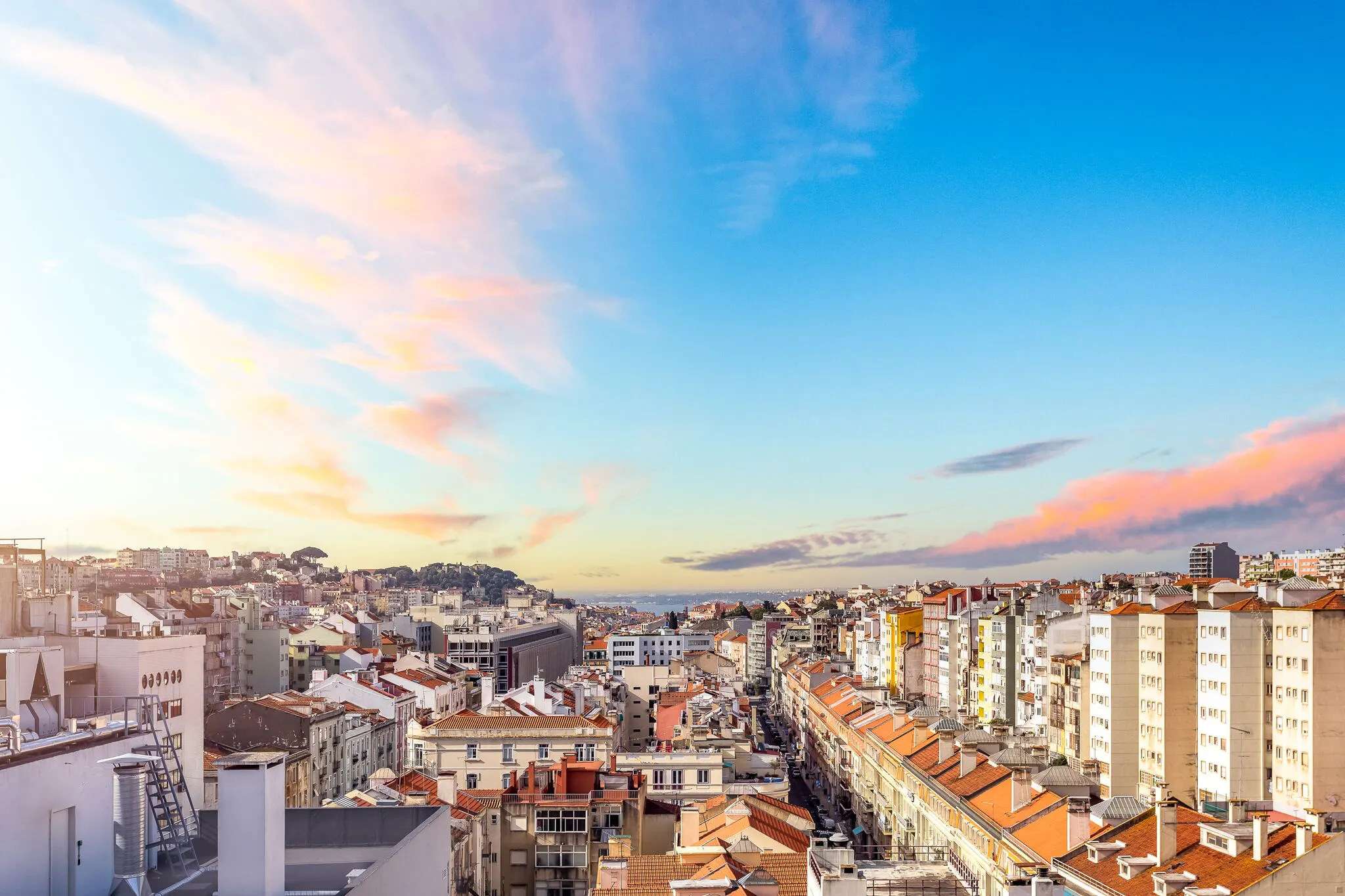
Lisbon is one of Europe’s oldest capitals – second only to Athens. With almost 300 sunny days a year and temperatures that usually stay above 15°C, it’s a strong choice if you want warmth without the long-haul travel. The heart of the city centres on Rossio Square – it’s a busy area, and the streets around it are packed with places to eat and drink. There are also more than 20 neighbourhoods to explore. Chiado’s known for its theatres, shops and a roofless church, while Bairro Alto is louder and more energetic – especially after dark – and you’ll find the city’s main nightlife here.
One of the reasons why Lisbon’s is a popular city, is how easy it is to mix city time with the beach. The city’s bordered by several stretches of coastline, so adding a beach day to your break is straightforward. Praia de Carcavelos is one of the most popular options – it has a wide, sandy shoreline that runs for almost a mile and is the largest beach close to Lisbon. From the city centre, the journey takes around 30 minutes, or if you want something a little quieter, there are several other beaches within 40 minutes by train, giving you plenty of choice without needing a car.
There’s plenty of sightseeing to do in Lisbon, but you can pack a lot in even on a short stay. The Basilica da Estrela is a standout – a vast church that took more than ten years to complete. São Jorge Castle sits high above the city, with 11 towers and wide views across Lisbon’s rooftops and the river. And don’t worry about getting around, the city’s tram network links many of the main sights, making it easier to cover ground in a hilly city.
The best time to visit Lisbon is spring and autumn, when the temperatures are the most comfortable. Daytime temperatures usually sit around 20°C, which makes walking and sightseeing more manageable, and prices are generally lower than in peak summer. June, July and August are much hotter, with temperatures often climbing to around 30°C. It suits travellers who enjoy heat, but it’s also the busiest and most expensive period. Winter is quieter and less talked about, but Lisbon has its own appeal at Christmas – the city is calmer, decorated for the season and still relatively mild, with temperatures typically staying in the teens.



Lisbon, Lisbon Region & Setúbal, Portugal
266 reviews
Different flights might be available on the next step
Your holiday: £336pp
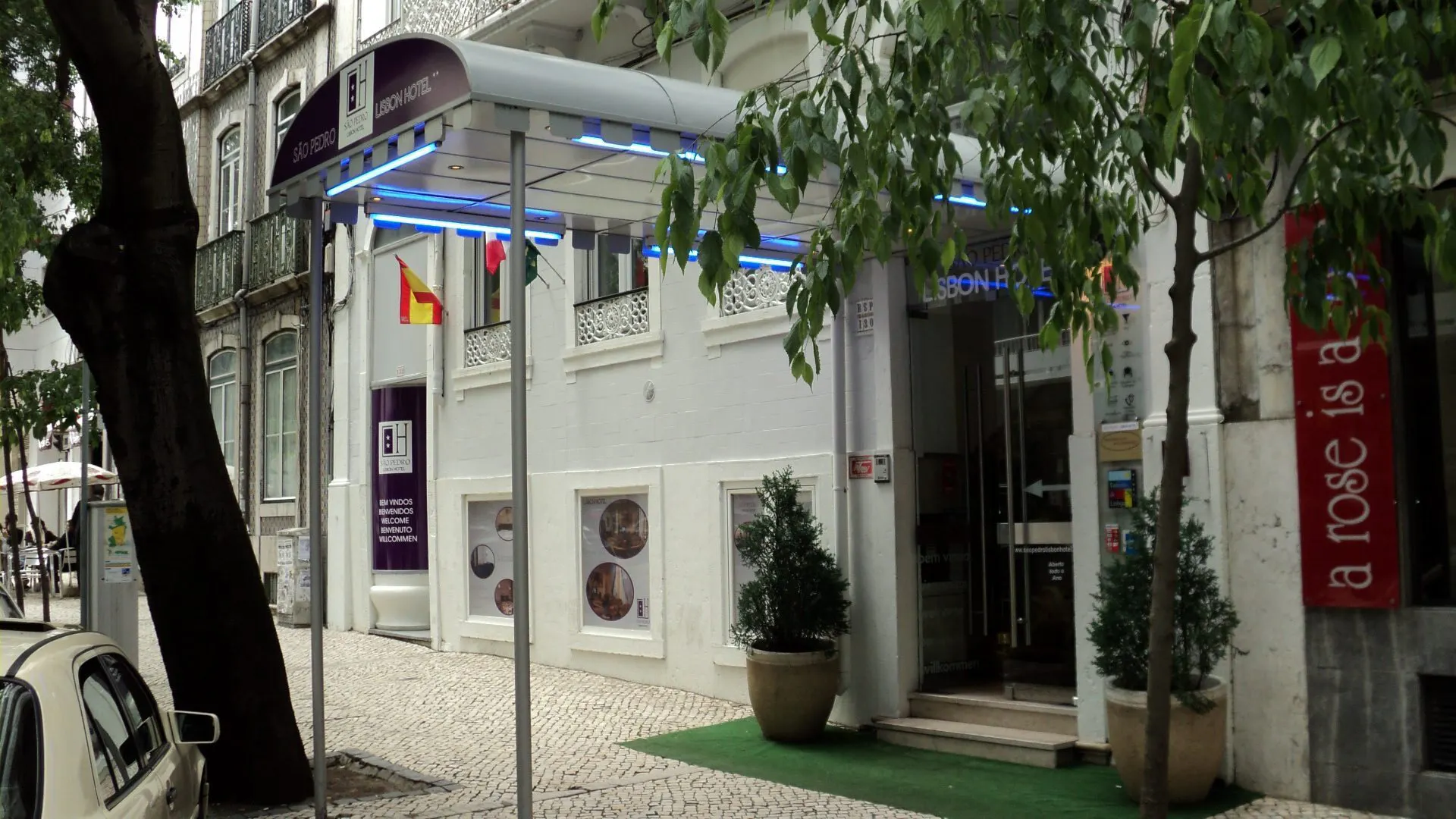

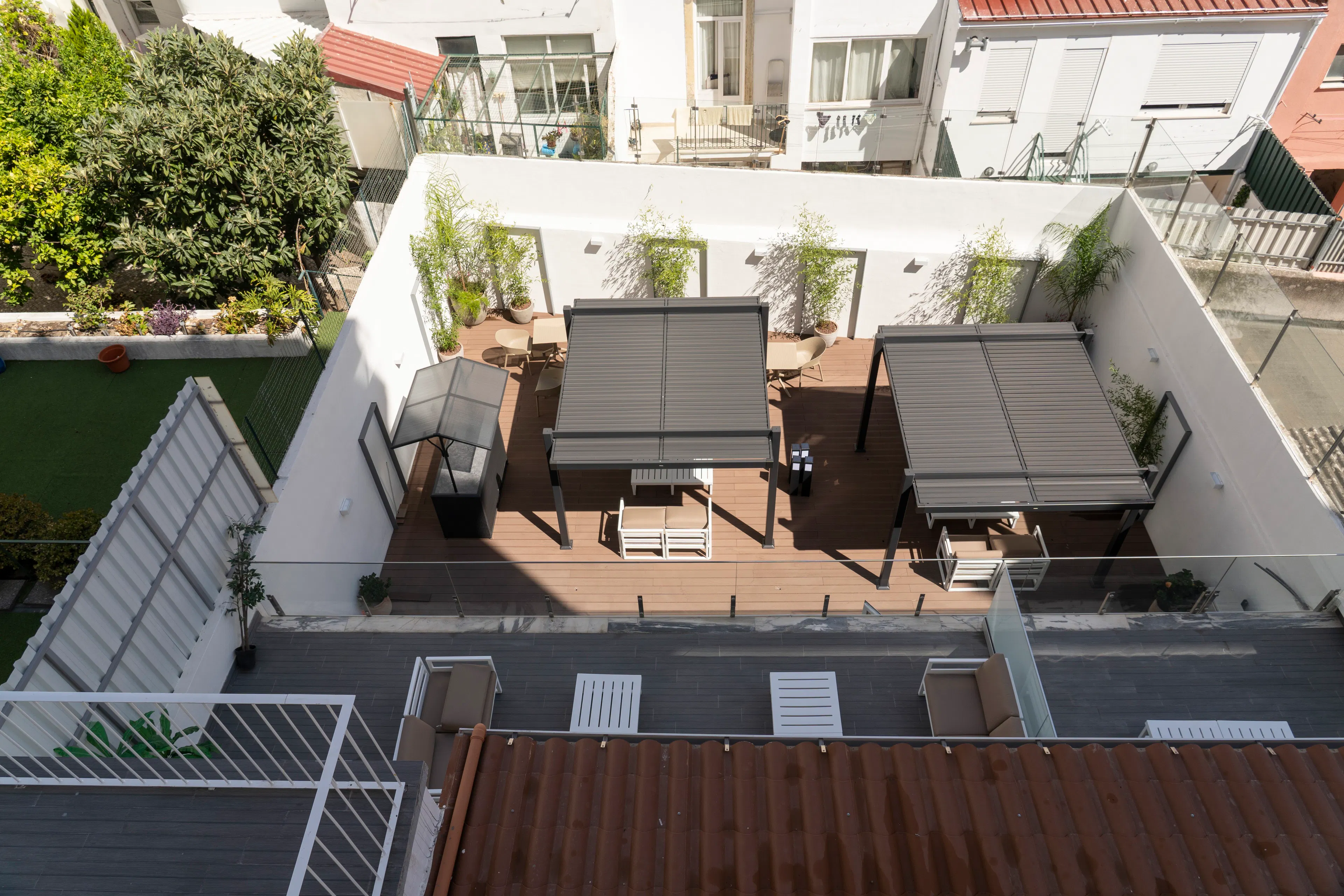
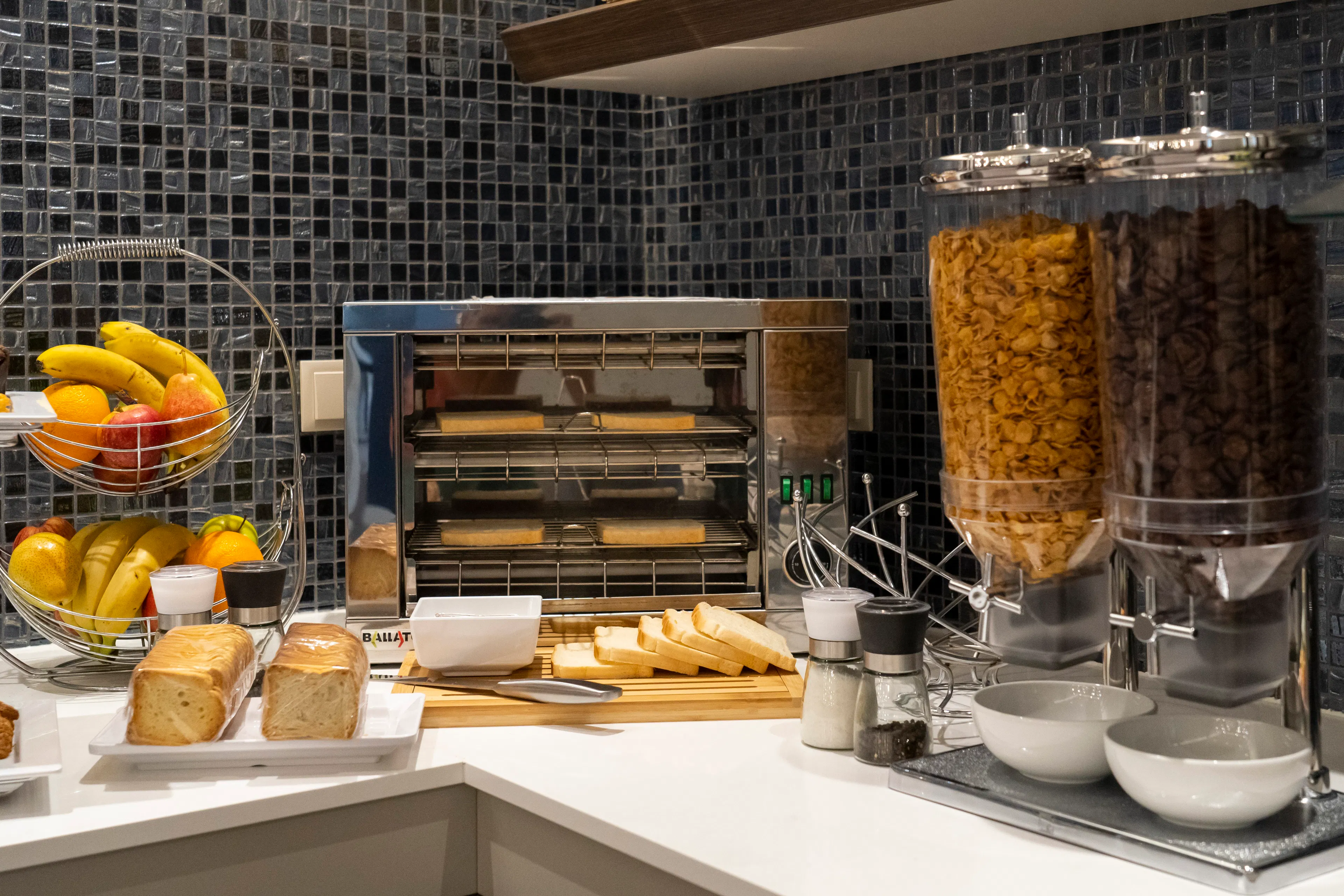
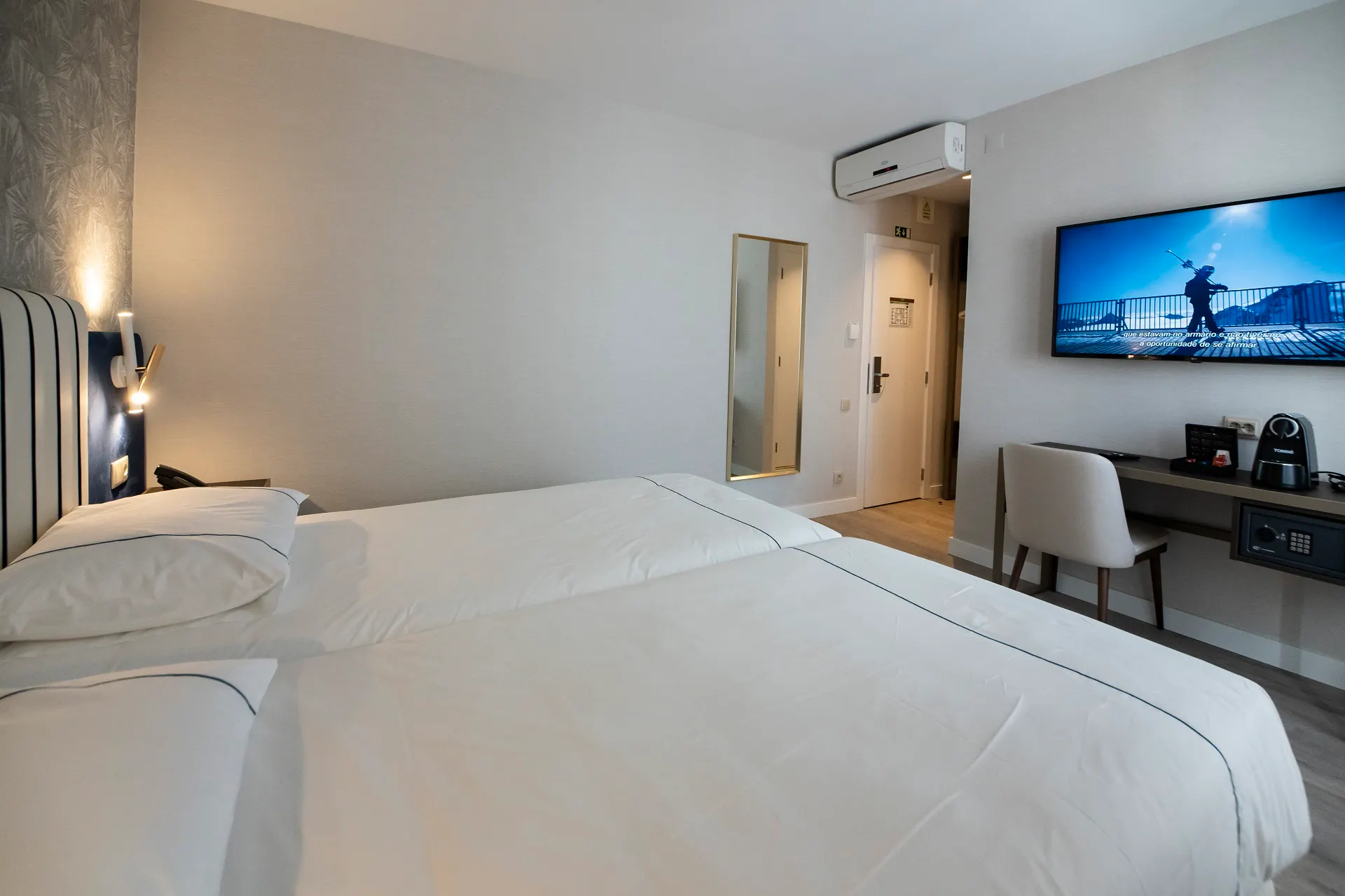


Lisbon, Lisbon Region & Setúbal, Portugal
196 reviews
Different flights might be available on the next step
Your holiday: £355pp
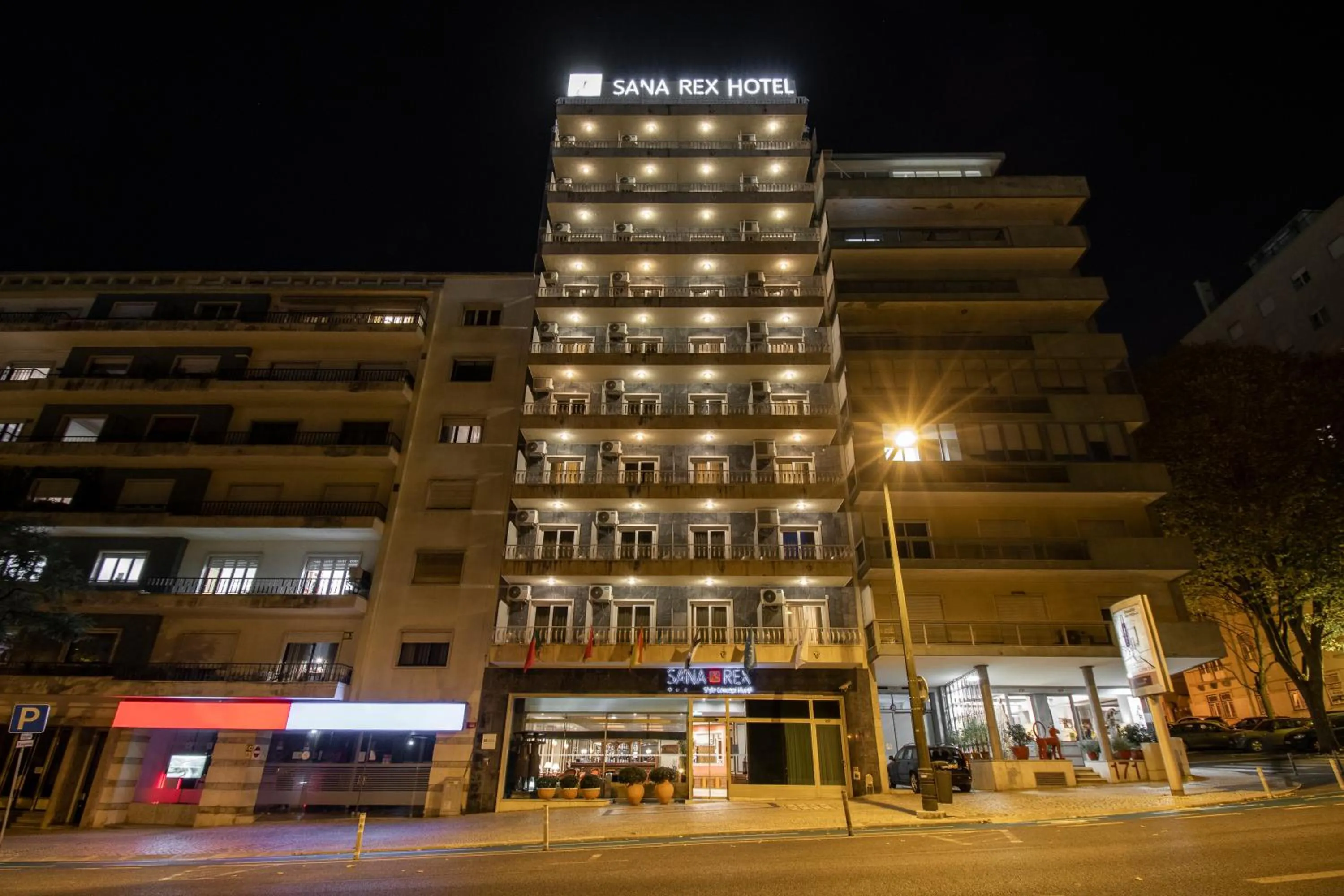
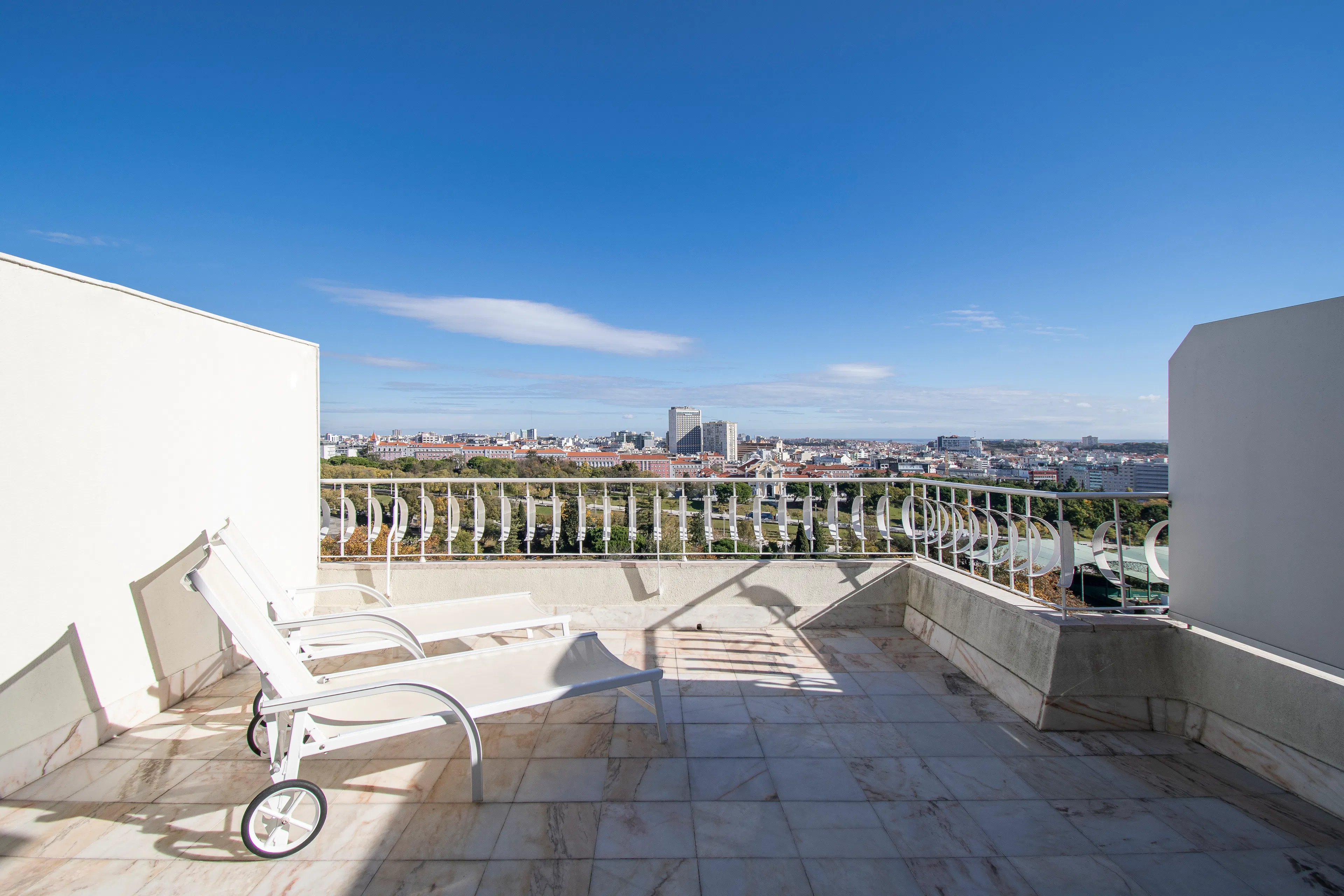
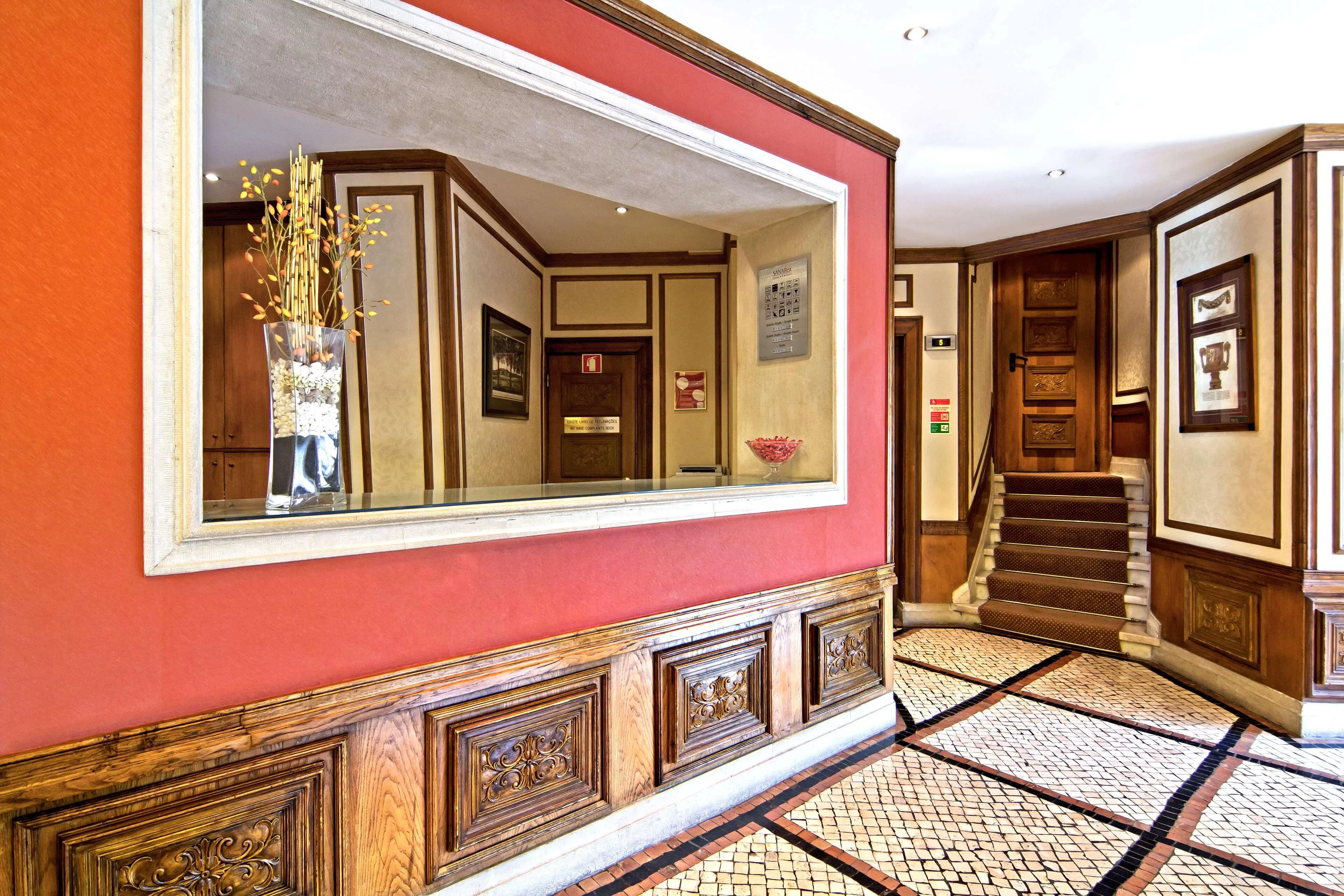


Lisbon, Lisbon Region & Setúbal, Portugal
581 reviews
Different flights might be available on the next step
Your holiday: £356pp


Lisbon, Lisbon Region & Setúbal, Portugal
432 reviews
Different flights might be available on the next step
Your holiday: £359pp
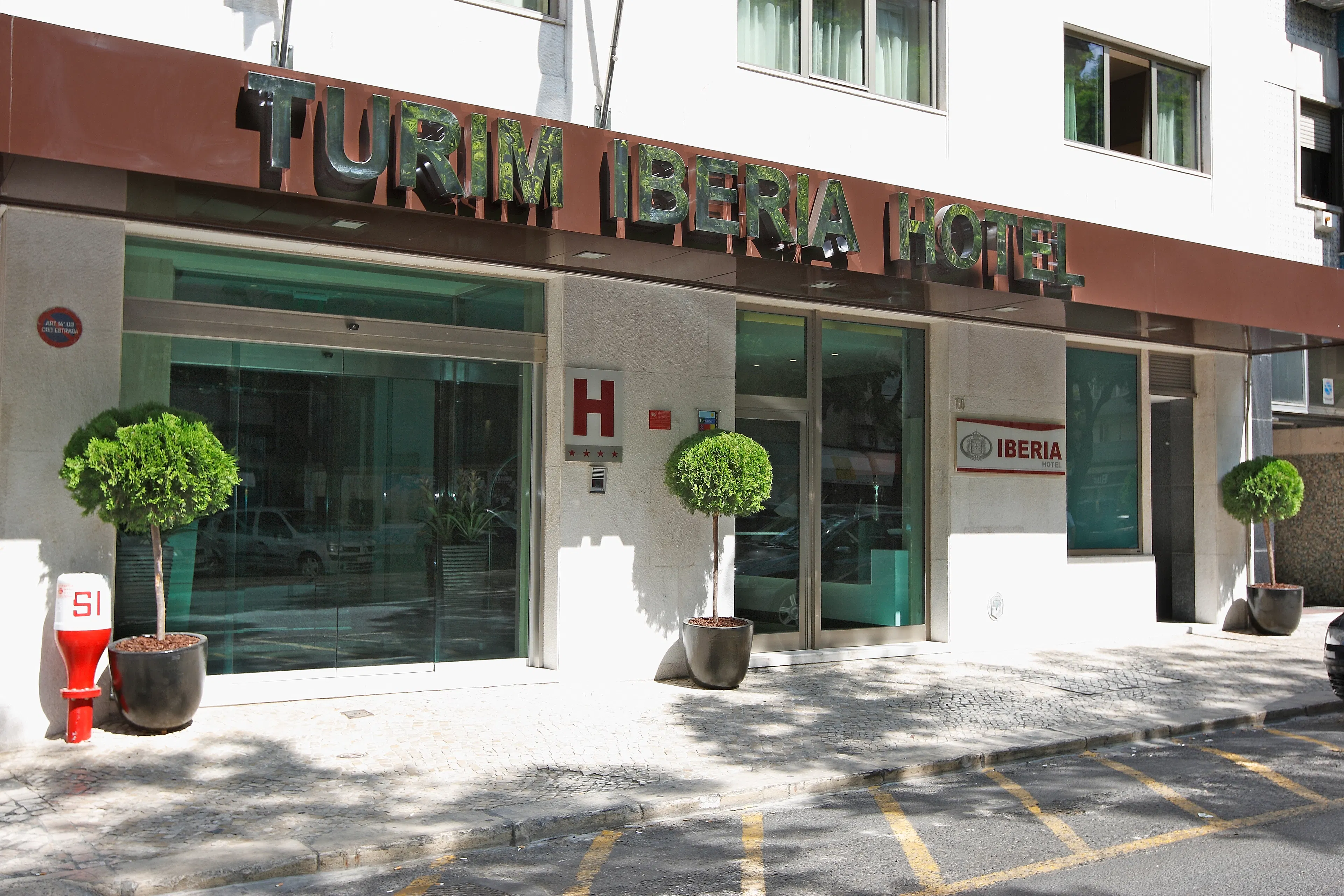
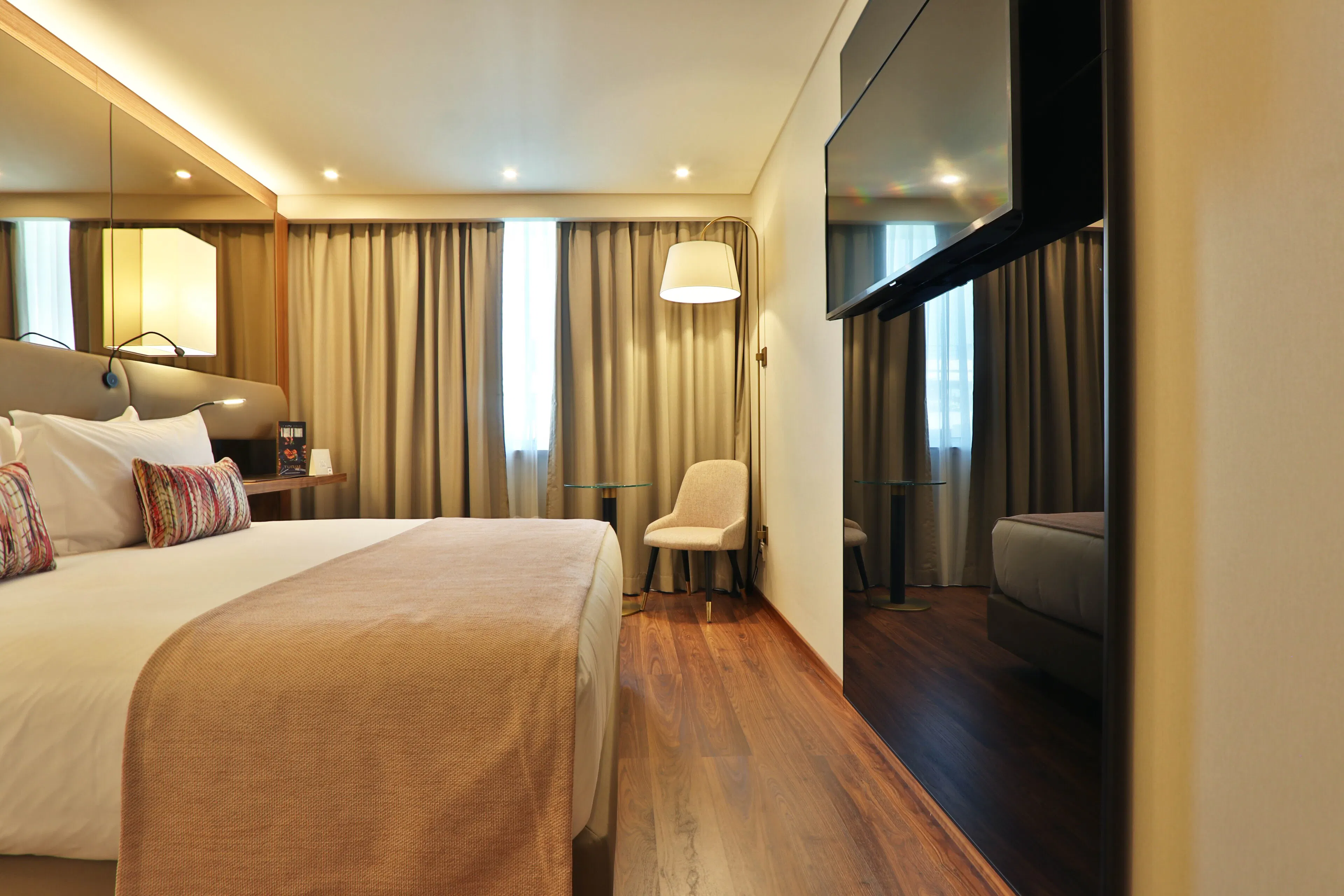
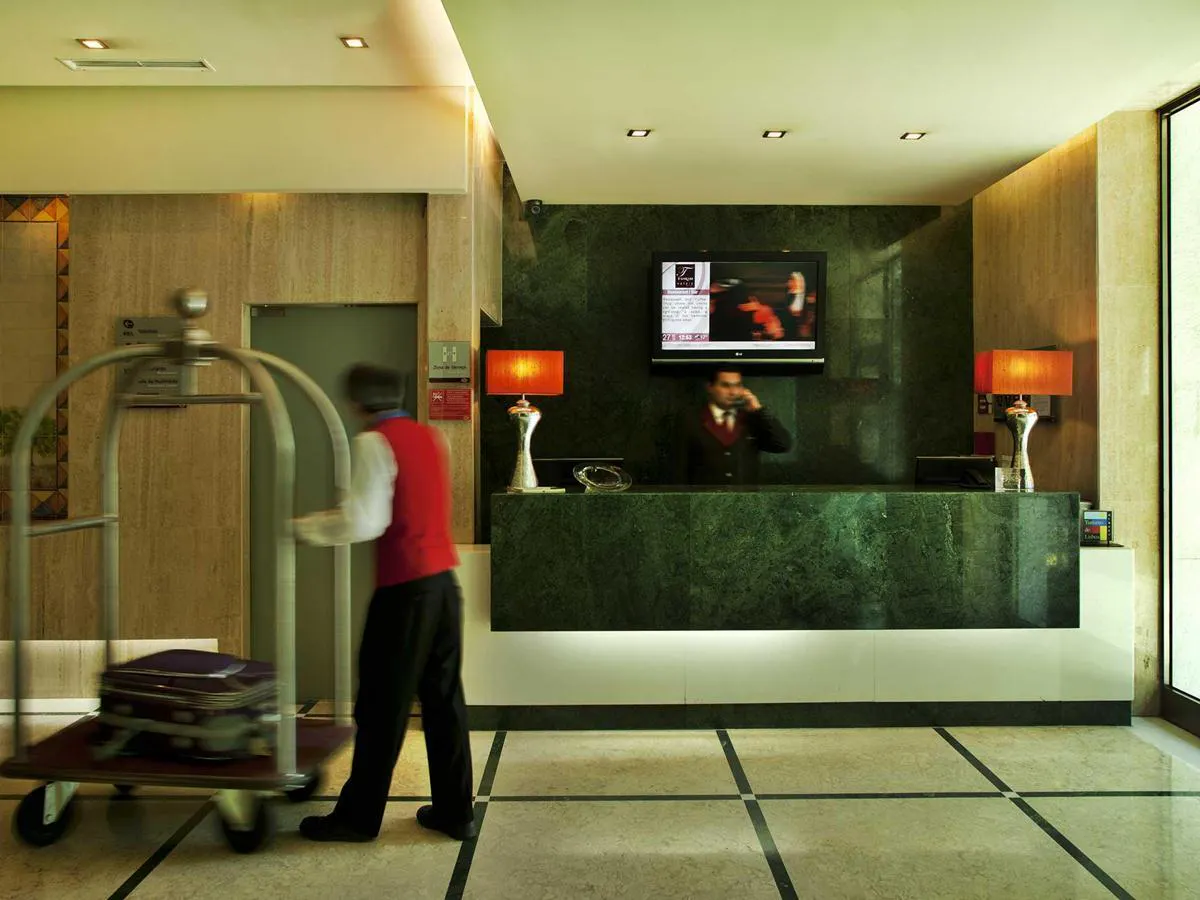
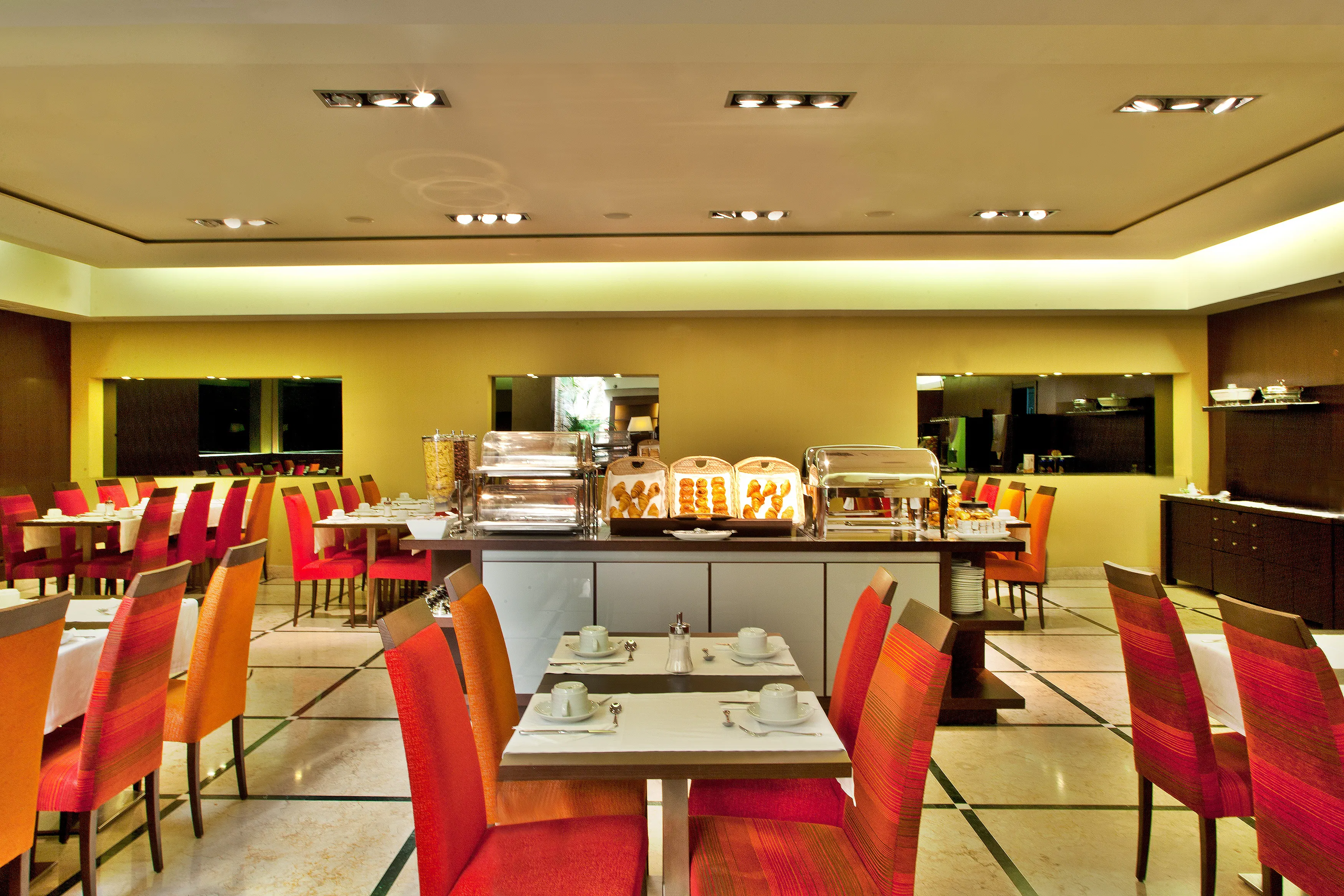


Lisbon, Lisbon Region & Setúbal, Portugal
822 reviews
Different flights might be available on the next step
Your holiday: £363pp


Lisbon, Lisbon Region & Setúbal, Portugal
693 reviews
Different flights might be available on the next step
Your holiday: £363pp
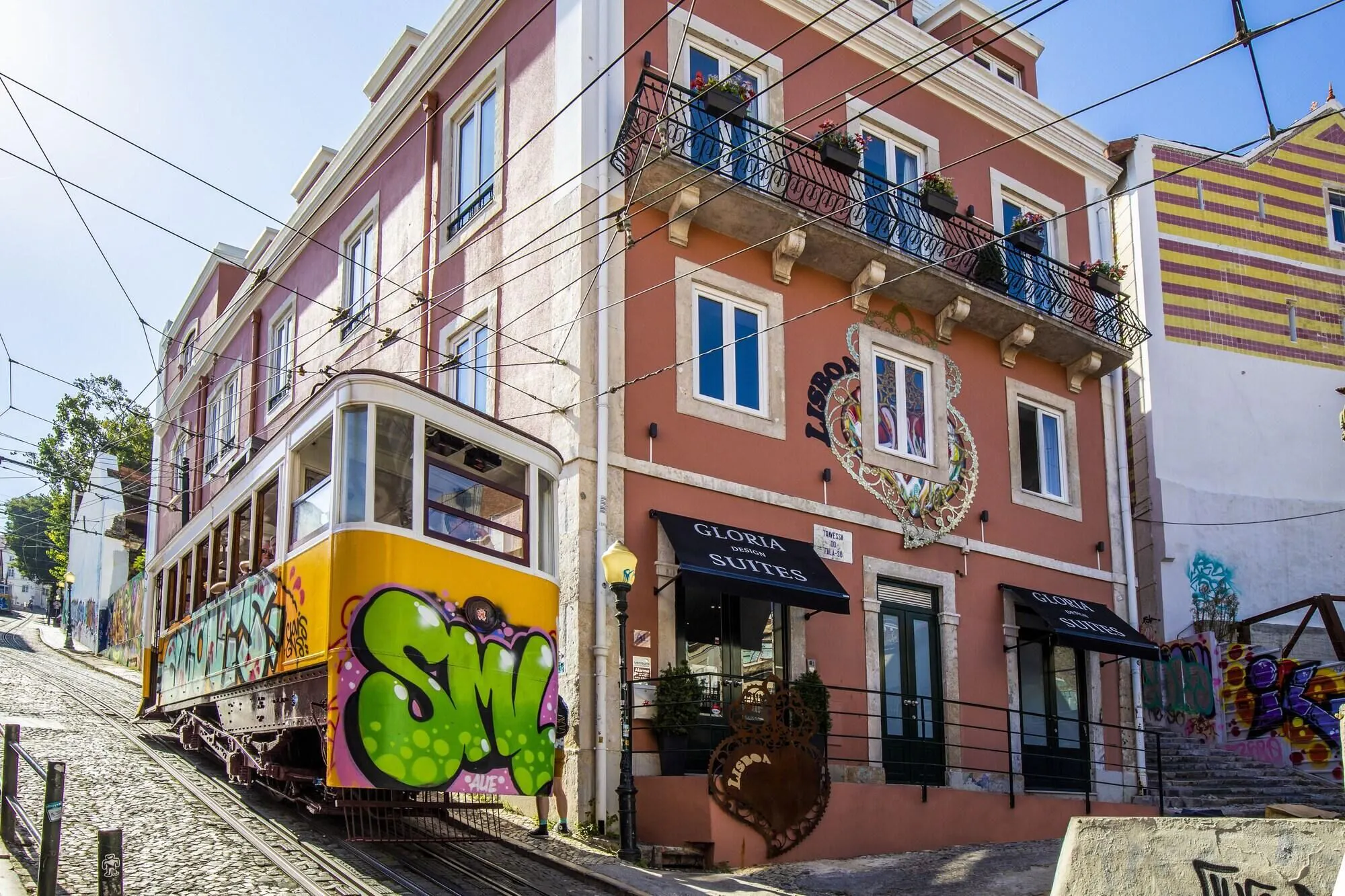
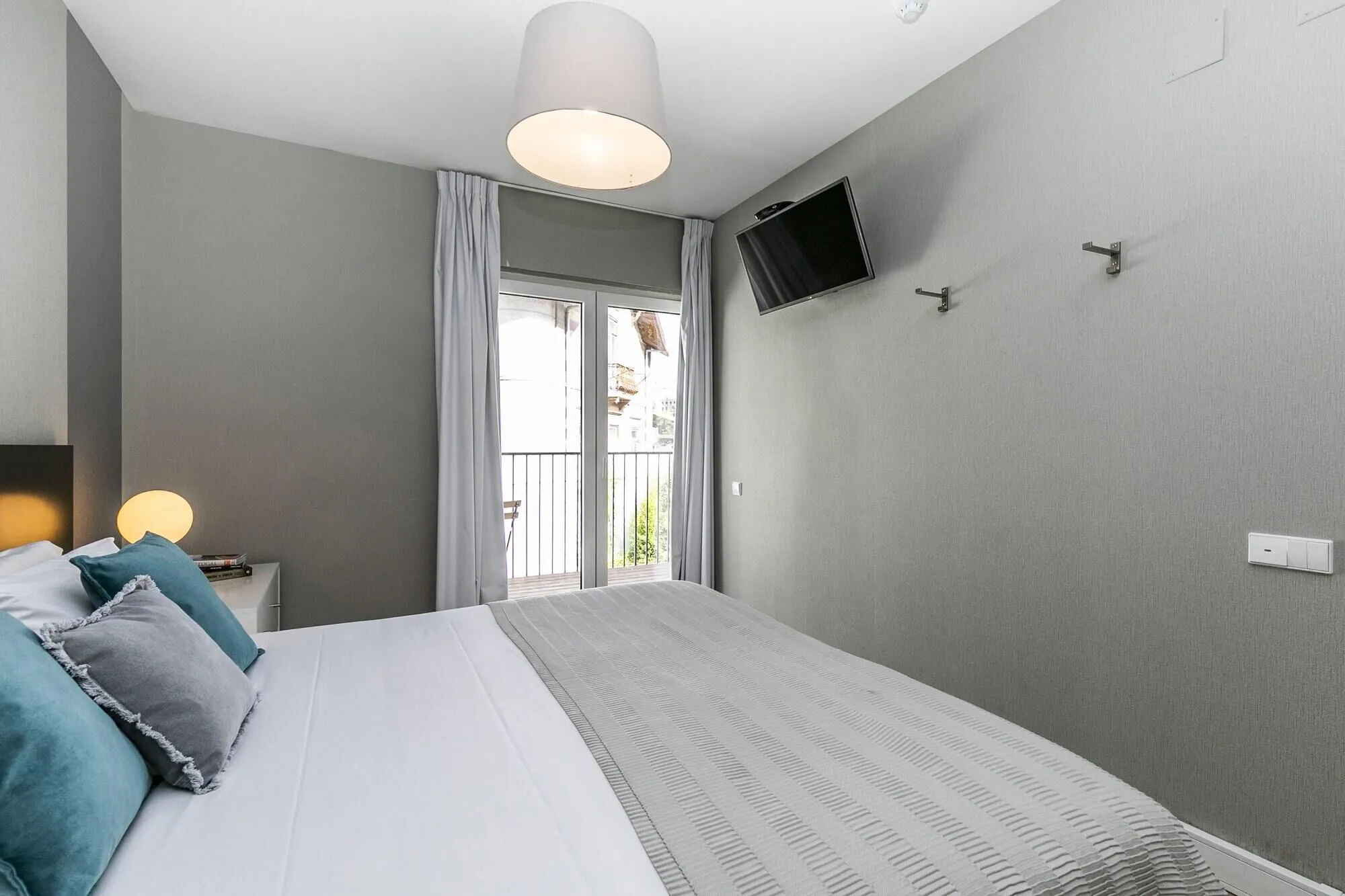
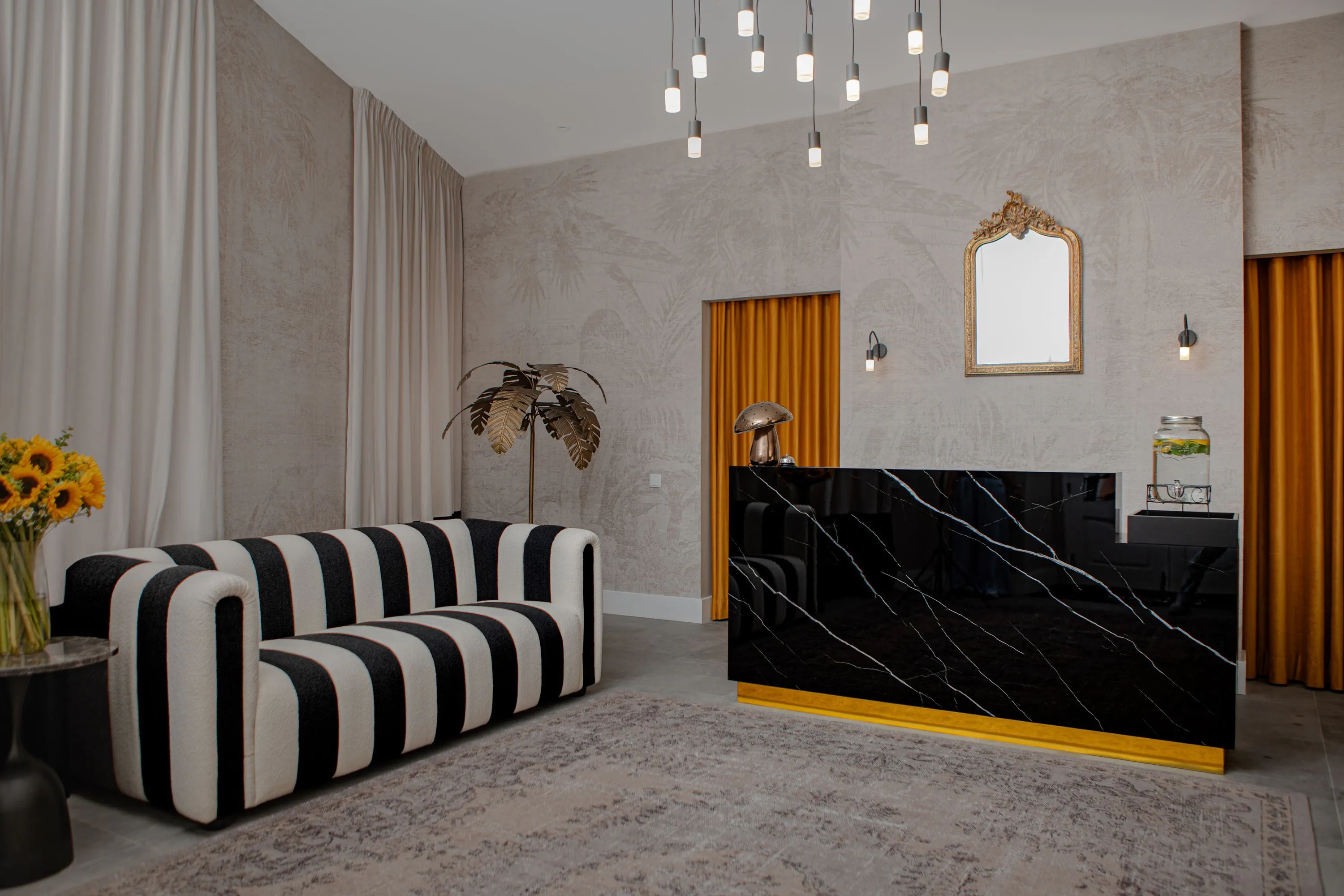
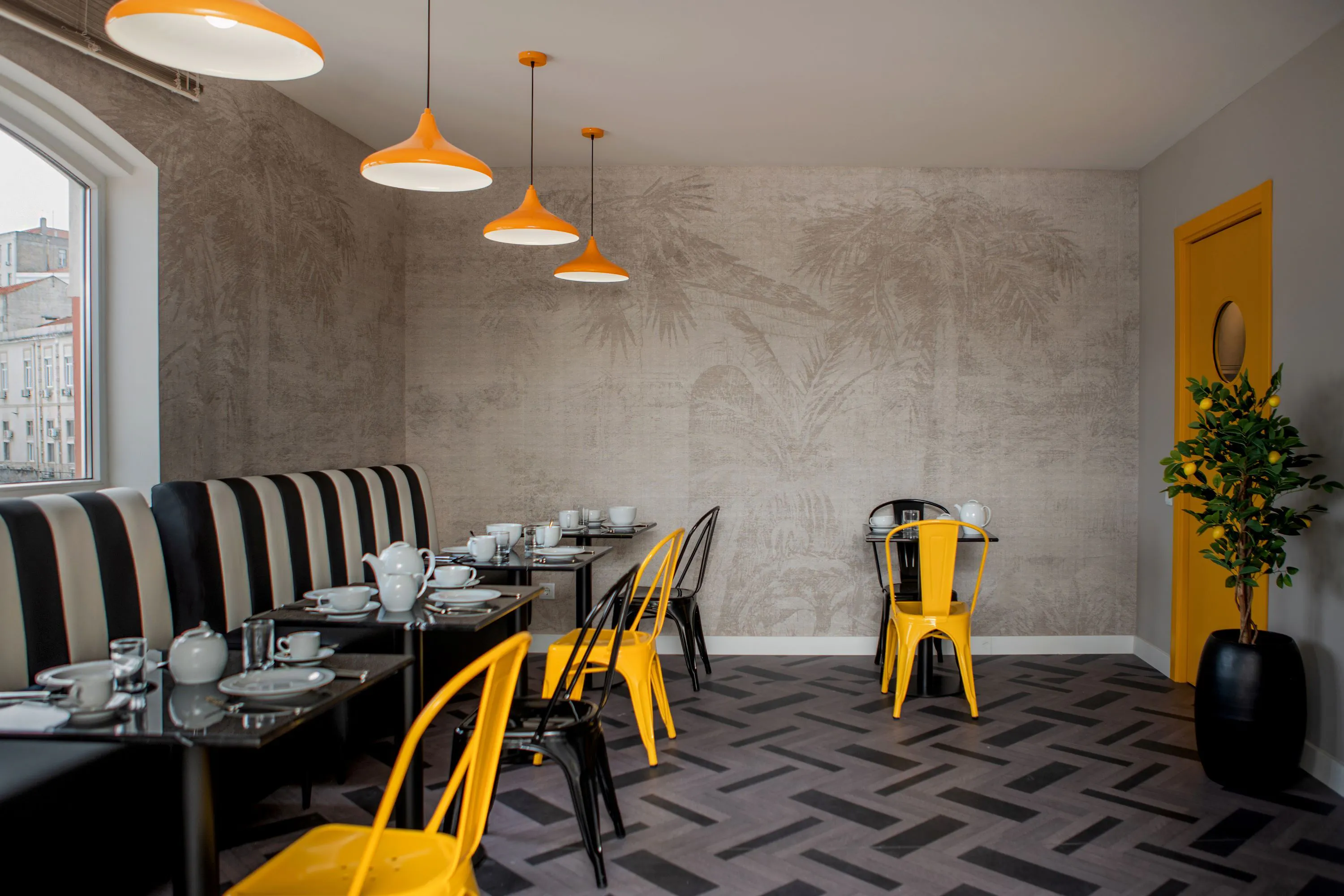
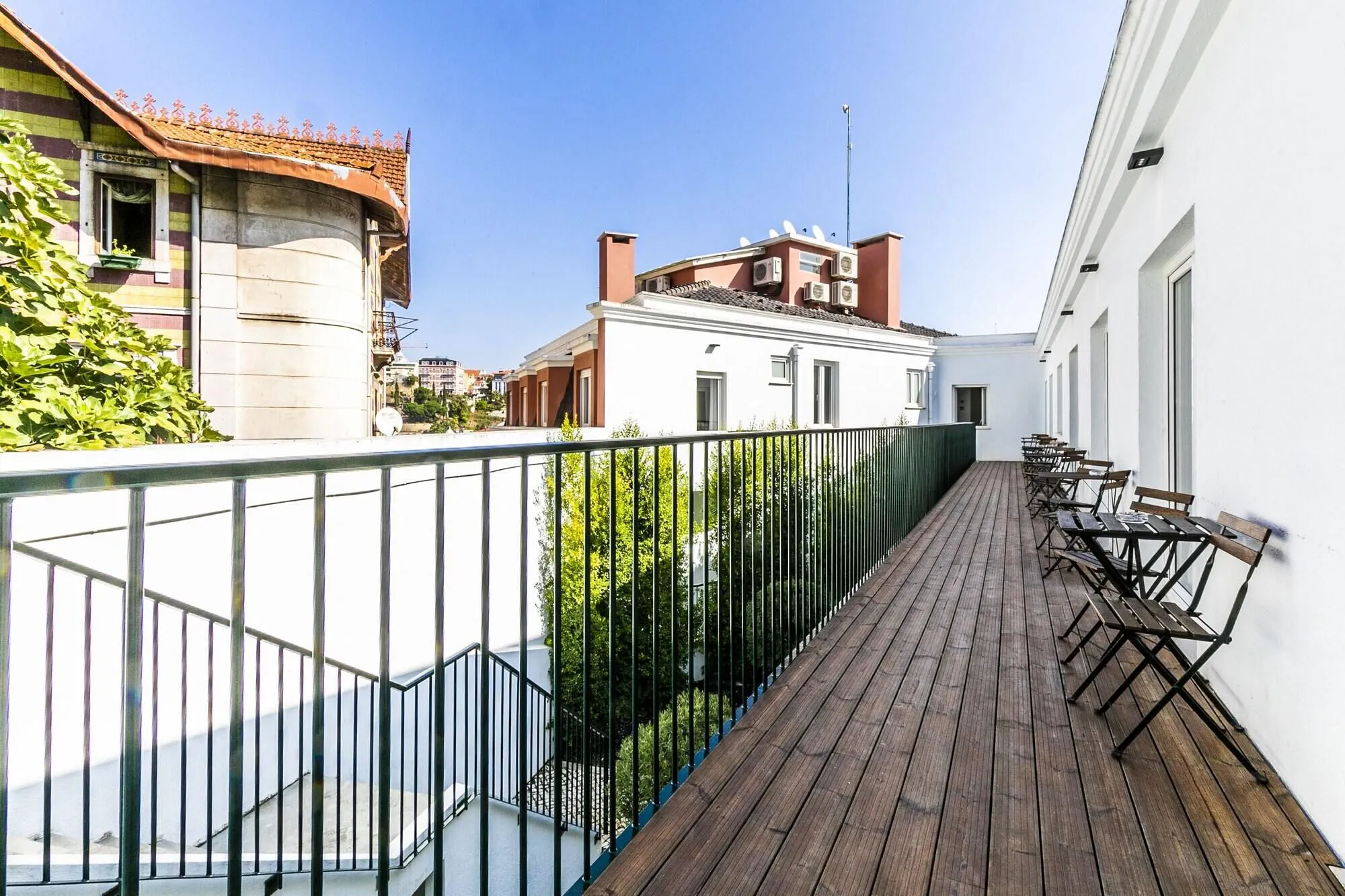


Lisbon, Lisbon Region & Setúbal, Portugal
83 reviews
Different flights might be available on the next step
Your holiday: £381pp


Lisbon, Lisbon Region & Setúbal, Portugal
183 reviews
Different flights might be available on the next step
Your holiday: £383pp


Lisbon, Lisbon Region & Setúbal, Portugal
37 reviews
Different flights might be available on the next step
Your holiday: £383pp
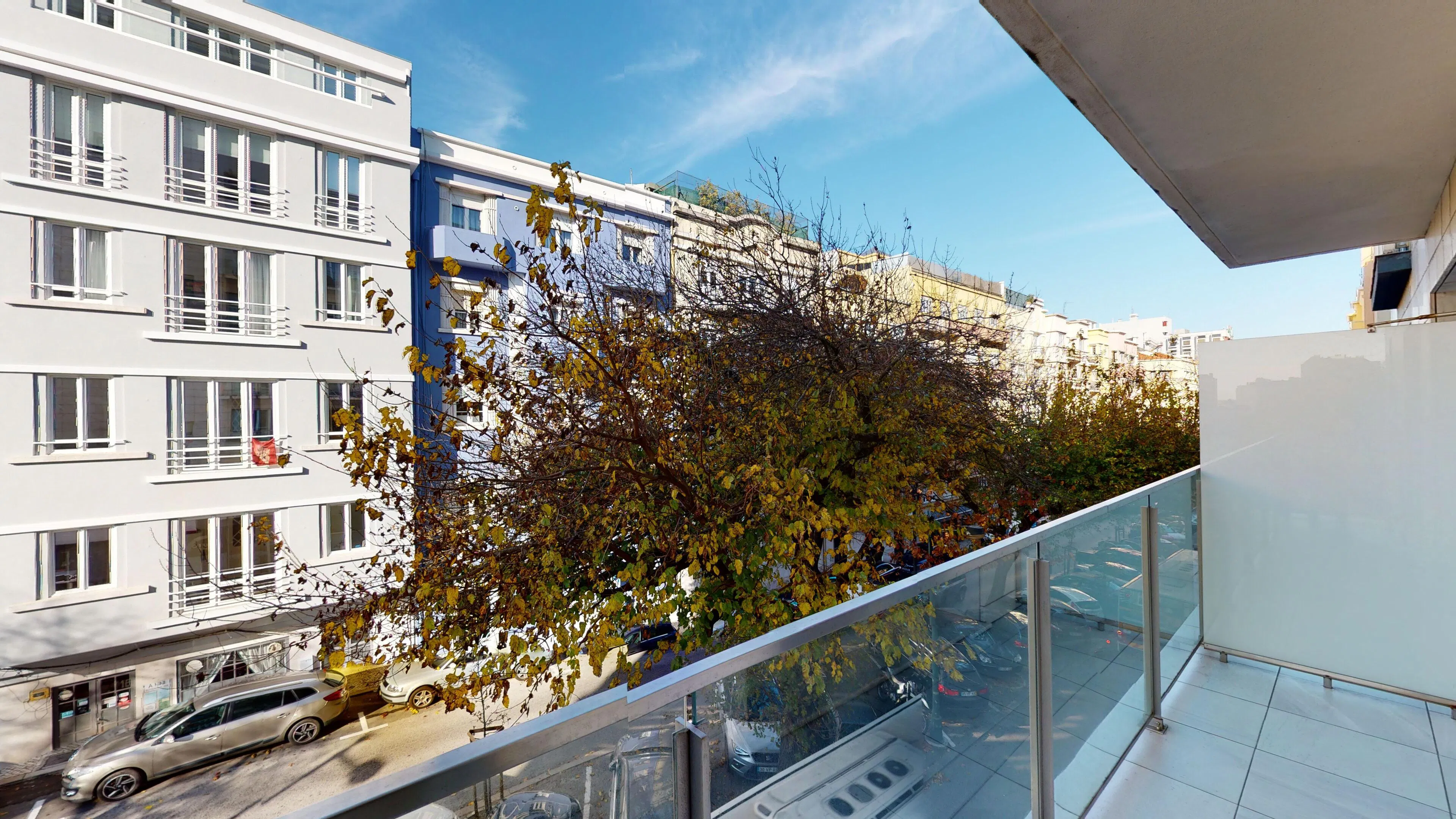
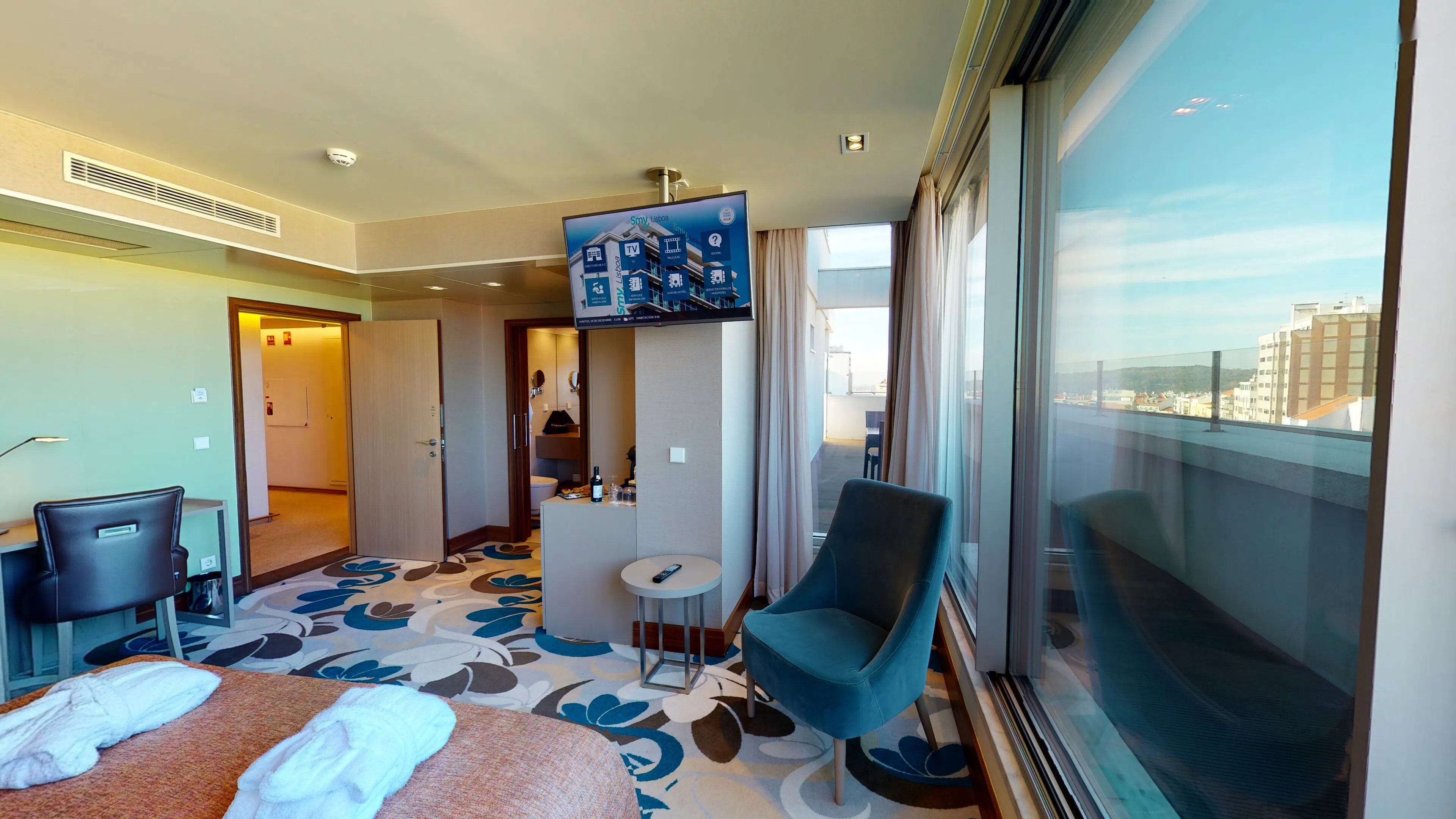
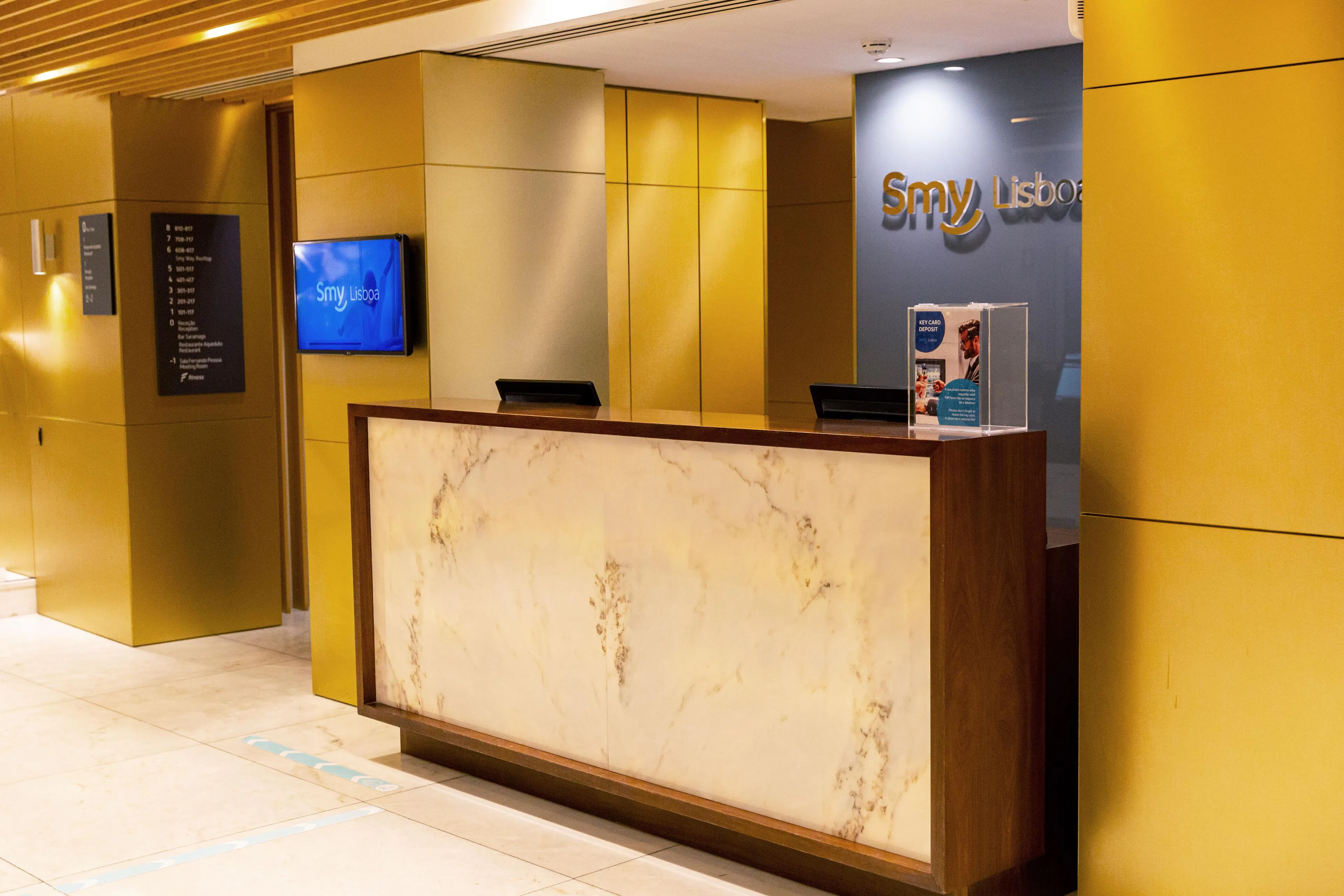
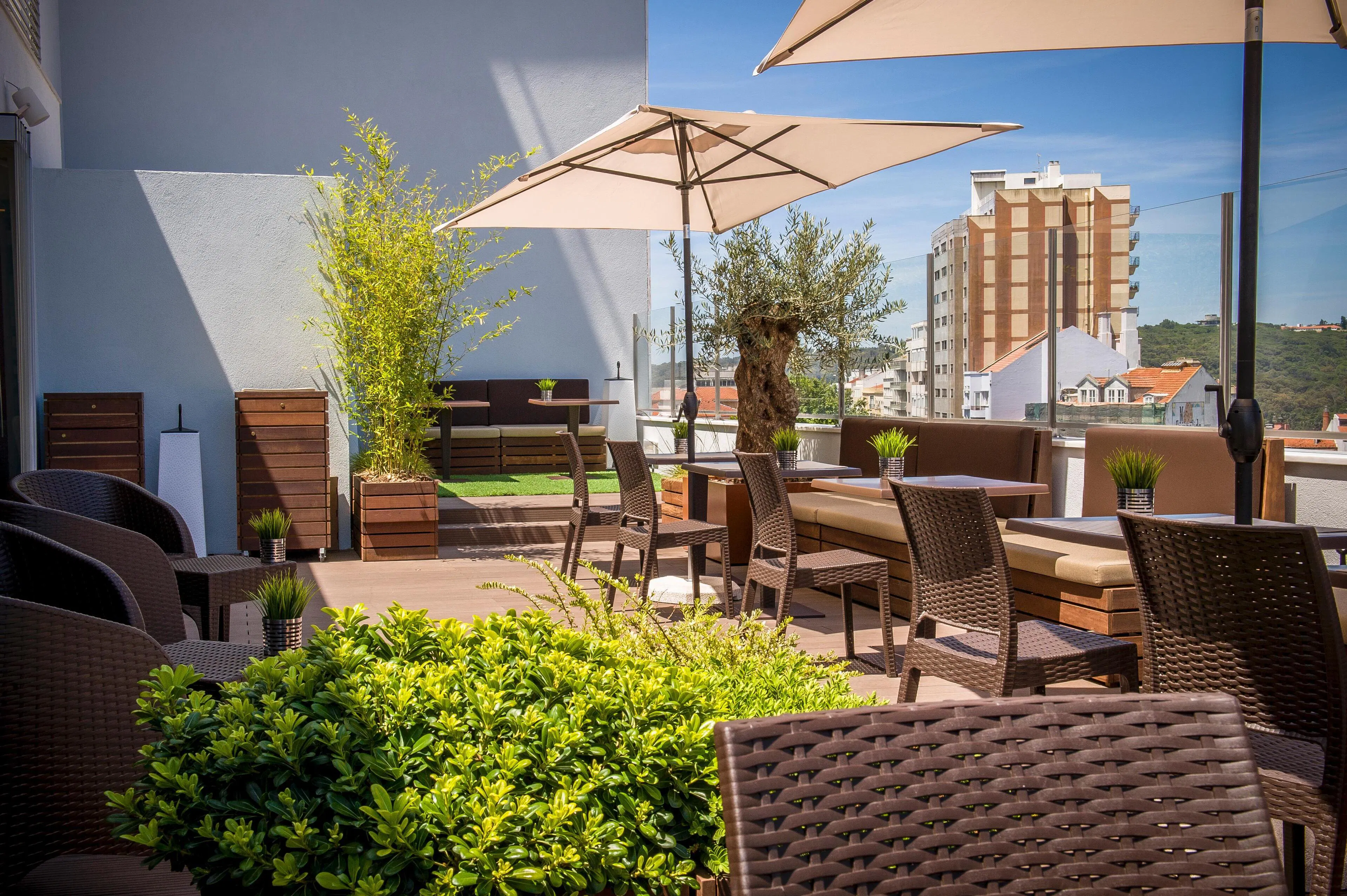
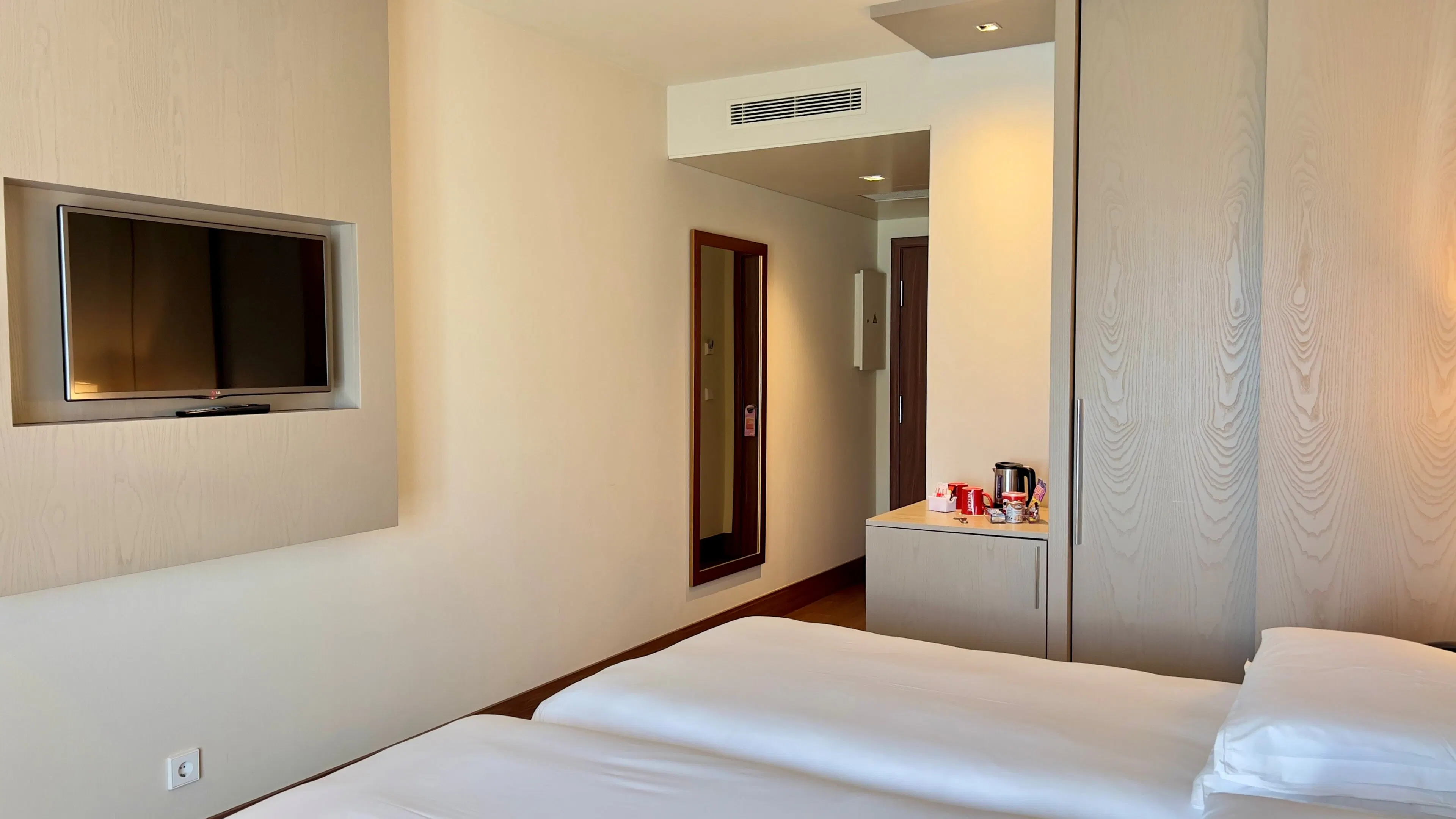


Lisbon, Lisbon Region & Setúbal, Portugal
329 reviews
Different flights might be available on the next step
Your holiday: £391pp


Lisbon, Lisbon Region & Setúbal, Portugal
69 reviews
Different flights might be available on the next step
Your holiday: £392pp


Lisbon, Lisbon Region & Setúbal, Portugal
2140 reviews
Different flights might be available on the next step
Your holiday: £393pp


Lisbon, Lisbon Region & Setúbal, Portugal
700 reviews
Different flights might be available on the next step
Your holiday: £399pp


Lisbon, Lisbon Region & Setúbal, Portugal
Different flights might be available on the next step
Your holiday: £401pp


Lisbon, Lisbon Region & Setúbal, Portugal
1562 reviews
Different flights might be available on the next step
Your holiday: £406pp
With over 20 districts serving old sites and modern areas, Lisbon’s a strong option for a city escape.
Take a break from the sightseeing and spend a day on the sands in Cascais or Carcavelos.
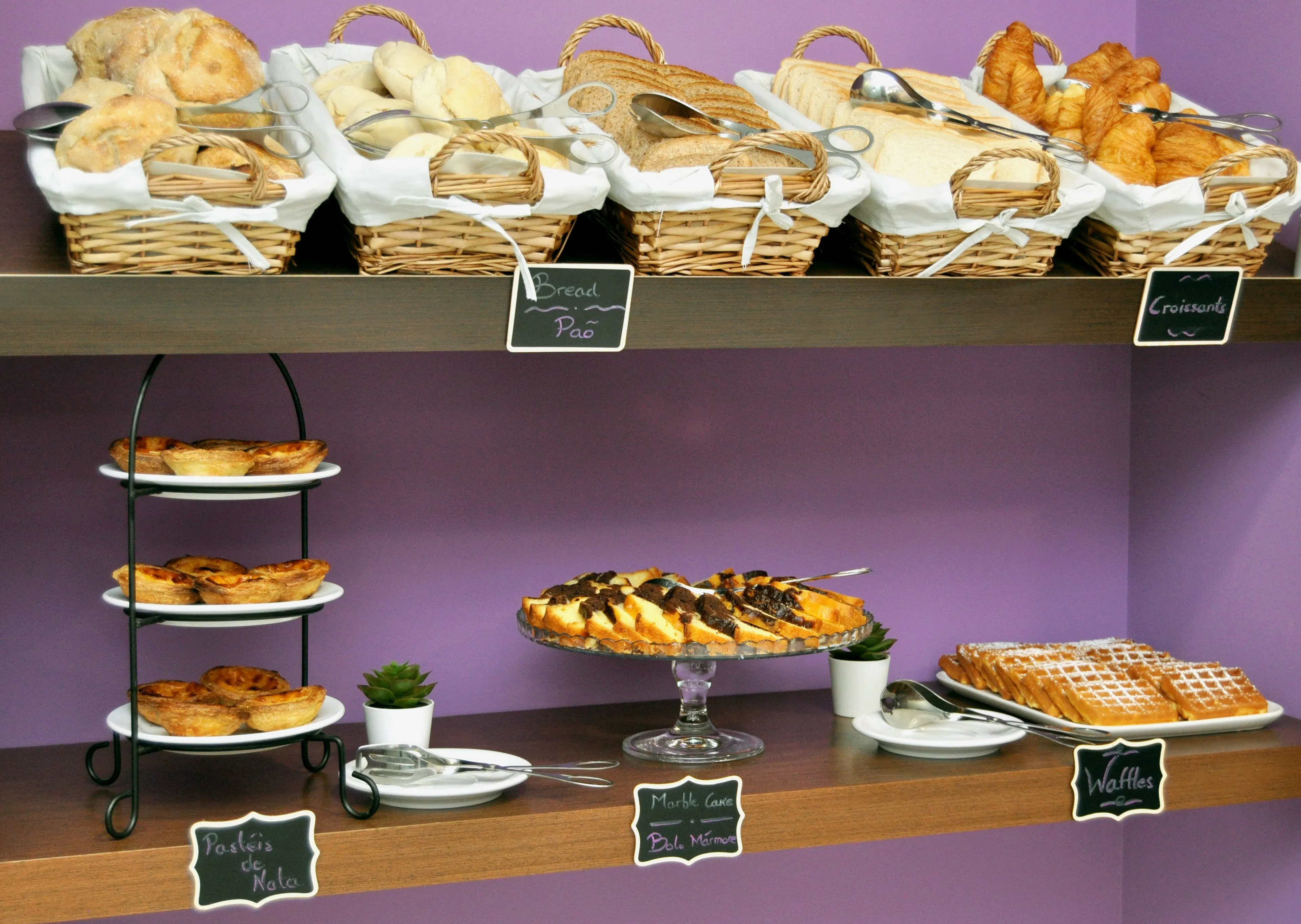
Lisbon’s ideal if you’re a foodie – pastel de nata and bifana are a few of the highlights.
Party until the early hours with the locals in Bairro Alto’s bars and clubs.

Lisbon mixes maritime heritage, ornate architecture and characterful neighbourhoods.
Torre de Belém – A 16th‑century Manueline-style fortification that once served as a ceremonial gateway to Lisbon, symbolising the Age of Discoveries. It’s been a UNESCO World Heritage Site since 1983.
Praça do Comércio – A majestic riverside square framed by classical arcades, perfect for photos and riverside strolls.
Castelo de São Jorge – Perched on a hill, this Medieval castle offers panoramic views across the city. Explore its terraces, gardens and historic ramparts.
Alfama district – Wander its labyrinth of lanes and enjoy live fado music in intimate taverns.

Walk in the footsteps of Portuguese explorers and Medieval settlers.
Lisbon Cathedral (Sé de Lisboa) – A fortress-like Romanesque cathedral dating back to the 12th century, with Gothic cloisters and a striking rose window. It’s in Alfama, which is around a 5-10-minute walk from Praça do Comércio, or a quick ride on Tram 28.
Elevador de Santa Justa & Convento do Carmo – This ornate iron lift, built in 1902, links Baixa to the ruins of the Carmo Convent – and it was designed by the same person as the Eiffel Tower. Catch the lift for some of the best city views, then explore the convent, which was left roofless after the 1755 earthquake and now houses a small archaeological museum.
Jerónimos Monastery – A Manueline Gothic masterpiece and UNESCO World Heritage Site in the Belém district, home to Vasco da Gama’s tomb.

Get to know Lisbon’s creative side…
MAAT (Museum of Art, Architecture and Technology) – Explore cutting-edge exhibitions inside MAAT’s striking riverside building.
Historic bookshops & tile museum – Step into Bertrand Bookstore (opened 1732) in Chiado for some literary history, then head to the Museu Nacional do Azulejo for five centuries of intricate Portuguese tilework in a former convent.
Tram 28 ride – Lisbon’s famous tram weaves through Alfama, Baixa, Graça, and Estrela, for an authentic tour of the city’s best bits. Catch it from Martim Moniz or Campo de Ourique – the full route takes 45-50 minutes one way, and it’s best to go early morning or late afternoon to avoid peak crowds.
Fado music – Hear Portugal’s soulful national song in cosy taverns in Alfama or Mouraria – you can walk over or catch a tuk tuk from the city centre. Many venues offer dinner-and-show packages, too.

Time your trip to Lisbon with one of these events…
Marchas Populares, mid-June – Neighbourhoods compete to put on the best parades, with music, dance, grilled sardines and street parties along Avenida da Liberdade. It’s all part of Lisbon’s patron saint celebrations.
Carnival, February or March – A lively pre-Lent celebration with costumes, music and street parties.
Lisbon Book Fair, May-June – Held in Eduardo VII Park, this event is for book lovers, with over 120 stalls.
Festival dos Oceanos, early August – This free-entry cultural festival includes exhibitions, concerts and street performances all along the riverfront – it’s a celebration of the ocean and the city’s waterways.
Festival Santa Casa Alfama, September – A two-day tribute to Fado across multiple stages in the Alfama district.
NOS Alive, July – A major music and arts festival near Lisbon, featuring rock, pop, electronica, fado and stand-up comedy.

Slow things down with one of these more local activities.
Pastel de nata and coffee by the counter – Grab an egg custard tart with your espresso at a local pastelaria.
Sunset at a miradouro – Miradouro is Portuguese for viewpoint. Gaze over terracotta roofs from spots in Alfama or Graça.
Tagus River cruise or beach escape – Take a boat trip on the river or venture to the nearby sandy sweeps in Cascais for some surfing and sunbathing.

Swap city hills for palaces, beaches and adventures – all within easy reach.
Sintra – A fairytale hilltop escape, with the colourful Pena Palace, Moorish Castle ruins and gardens. It’s only a 40-minute train ride from Lisbon.
Cascais – A postcard-perfect fishing town turned seaside resort, ideal for fresh seafood lunches and relaxed beach days. You can catch a 40-minute train from Lisbon, with ocean views along the way.
Sail the Tagus – Take a river cruise past Lisbon’s skyline, the Belém Tower and the Christ the King statue – it’s recommended to go at sunset for the best views. Departures are from central docks like Terreiro do Paço or Belém.
Praia de Carcavelos – A big sandy beach, easily reached by train and great for sunbathing and surfing.
Costa da Caparica – Miles of golden sand just south of the river, dotted with beach bars and perfect for a lazy day. You can get the bus from Praça de Espanha or Areeiro.
Guincho Beach – This beach is a favourite for surfing and there are a couple of nice beach bars nearby. Just take the train to Cascais, then a local bus or taxi along the coast.

Lisbon’s cuisine is all about fresh seafood and bold flavours.
Pastel de nata – The legendary custard tart, best enjoyed fresh and dusted with cinnamon. You can try the best ones at Pastéis de Belém.
Bacalhau à Brás – Salt cod, shredded and combined with onions, matchstick fries, eggs, olives and parsley.
Bacalhau com natas – A creamy cod casserole, baked with onions, potatoes and double cream.
Carne de Porco à Alentejana – A surf‑and‑turf classic, blending pork and clams in a hearty mix. It’s very popular amongst locals.
Bifana, Pão com Chouriço, Prego – Lisbon’s iconic sandwich – marinated pork, chorizo rolls or steak in bread.
Petiscos – Similar to tapas and best enjoyed with wine or a cocktail.

Try some of Lisbon’s favourite drinks.
Ginjinha – A cherry liqueur loved by locals, often served in small shot glasses at traditional bars.
Vinho verde – A light, slightly sparkling white wine, perfect for pairing with seafood and sunshine.
Port wine – Portugal’s famous fortified wine, often enjoyed as an after-dinner treat.
Porto tónico – Portugal’s answer to a gin and tonic. It’s white port and tonic, sometimes garnished with lime, mint or berries, and super refreshing.

From laidback drinks to big nights out, Lisbon comes alive after dark.
Bairro Alto – A maze of small bars, where street drinking is a big part of its culture.
Cais do Sodré and Pink Street – Formerly a red-light district, it’s now a neon-lit nightlife hub full of clubs and quirky bars like Pensão Amor.
Alcântara – A trendy nightlife zone in a converted industrial setting – perfect for creative cocktails.
Alfama & Graça – For a quieter evening, these historic districts offer character‑filled wine bars and craft beer spots.
Rooftop bars – Scenic vistas and sunset drinks are Lisbon nightlife staples. Sip with a sunset view at miradouros or one of the city’s rooftop venues, like Park Bar.
Live jazz – Established in 1948, The Hot Club of Portugal is the country’s oldest jazz club and continues to host nightly performances in a cosy, cellar-style venue.

Lisbon’s full of cobbled hills, golden sunsets and sea views.
Tagus River walks at sunset – Stroll together along the Ribeira das Naus promenade, especially pretty when the sky glows over the Ponte 25 de Abril.
Dinner with a view – Book a rooftop table in Chiado or at a miradouro-side restaurant in Graça for sweeping city views.
Sail together on the Tagus – A classic sunset cruise with wine, city lights and the sound of the water.
Stay in a tiled townhouse – Boutique hotels in historic azulejo-clad buildings are the perfect romantic stay.

Trams, castles and sweet treats are just a few of the reasons that Lisbon’s great for a family holiday.
Ride Tram 28 – A moving adventure through Lisbon’s prettiest streets that feels like a mini rollercoaster.
Castelo de São Jorge – Kids love exploring towers, ramparts and spotting wild peacocks in the castle gardens.
Pastel de nata baking classes – Fun, delicious and interactive, and they get to eat what they make.

This lively city’s the ideal setting for your next group trip.
Petisco crawl in Bairro Alto – Share small plates and a bottle of vinho verde or sangria.
Tuk tuk tours – Zip through Alfama’s winding lanes and climb the hills without breaking a sweat.
Cooking classes with wine tasting – Learn to make Portuguese dishes like cataplana or bacalhau, then tuck into your own home-cooked feast together.
Fado night in Alfama – Swap a big night out for a traditional evening of fado music, dancing and socialising over shared plates.

Lisbon is welcoming, stylish and proudly inclusive.
Principe Real – The city’s LGBTQ+ heart, full of bars, brunch spots and leafy plazas.
Trumps nightclub – Lisbon’s famous gay club, known for themed parties and a welcoming atmosphere.
Lisboa Pride, June – Full of colour and queer joy – expect parades, concerts and rainbow flags across the city.
Costa da Caparica – Lined with popular LGBTQ+ beach spots, especially near Praia 19 – the perfect spot if you need a break from the city.

Lisbon is known for being friendly, safe and easily explorable at your own pace.
Stay in the Baixa or Chiado neighbourhoods – Central, vibrant and full of solo-friendly cafés.
Join a walking tour or food tour – Meet fellow solo travellers while discovering Lisbon’s history and flavours. Make the most of your trip with Sundeals Experiences and get even more memories out of your holiday to Lisbon.
People-watch with a coffee – Sit at a café in Praça do Comércio or Largo do Carmo and watch the city go by.
Explore museums solo – The National Tile Museum, MAAT or Calouste Gulbenkian Museum are perfect for exploring at your own speed.

Classic brands and luxury boulevards – Lisbon’s great for a shopping trip.
Avenida da Liberdade – Lisbon’s elegant shopping avenue lined with high-end brands like Gucci, Louis Vuitton and Cartier, set against leafy promenades and fountains.
Rua Garrett and Rua do Carmo – Two pedestrianised streets in Chiado, filled with a mix of flagship stores, local boutiques and historic shops like Bertrand Bookstore.
Centro Vasco da Gama – A modern riverside mall in Parque das Nações with over 150 shops, restaurants and a cinema.

Bring a piece of Lisbon home with you…
Conserveira de Lisboa – A historic shop in Baiza selling beautifully packaged tinned fish, the perfect gift to take home with you.
Claus Porto and Benamôr – Two of Portugal’s iconic soap and skincare brands, offering colourful packaging and classic scents.
Embaixada in Príncipe Real – A 19th-century palace turned concept store with Portuguese fashion, jewellery and designer pieces.

Visit one of Lisbon’s markets for fresh produce and bargain buys.
Feira da Ladra – Held on Tuesdays and Saturdays in Alfama, Lisbon’s famous flea market is ideal for picking up second-hand clothes, antiques and vintage finds.
Feira do Relógio – A bustling Sunday market with fresh produce, clothing and street food in Marvila.
Mercado da Ribeira/Time Out Market – A spot for food lovers, combining gourmet food stalls with fresh produce – perfect for a lunch stop in between sightseeing.
Lisbon is very walkable – particularly in Baixa, Chiado and Alfama – although the hilly terrain means comfy shoes are a must.
The metro is one of the fastest ways of getting around in central and northern Lisbon, including to and from the airport on the red line. They accept contactless card payments, or you can buy a Navegante card that covers the metro, buses, trams, elevators and funiculars. You can top it up at all the main stations, or there’s the Navegante app.
For travelling around the city and to and from areas closer to Lisbon, buses are another quick option. It’s easy to tap on and off Lisbon’s buses using your card or use your Navegante card.
Cais do Sodre has trains to take you all the way up the coast to Cascais and other beaches in between. Or catch the Comboios de Portugal (CP) train from Rossio Station to Sintra for a daytrip.
While these are fun options, both are more tourist attractions and activities than an easy way to get around. The yellow Tram 28 is iconic, but it tends to be quite crowded. Funiculars and the Santa Justa Lift do cut out walking up Lisbon’s steep hills, though.
The most common route is the commuter ferry from Lisbon harbour at Cais do Sodre to Cacilhas – it’s a great way to see the Tagus River, too.
Gira are Lisbon’s version of Lime bikes. You can rent an e-bike for around €2 per day, with 45 minutes free – they’re great for short trips around the city, and you’ll be thankful they’re electric on all the hills.
Here are some top tips from our team
“Fares is a lovely mezze spot – it has sunny outdoor seating out front, delicious flavoured houmous and cute cocktails. Osteria Cucina di Amici is the most beautiful, traditional Italian place. Or, for a treat-yourself tasting menu situation, go to SEM. It's a zero-waste restaurant that focuses on micro-seasonal produce.” – Lily Owen
Catch the bus to Lx Factory, a converted industrial hub of street art, indie shops and creative spaces. Pick up some unique finds in the market, then head up to a rooftop bar for a drink with a view of the suspension bridge.
You can join a guided tour of ancient Roman ruins – and it’s completely free. Hidden under a bank, the Núcleo Arqueológico da Rua dos Correeiros was discovered during building works in the 1990s. Archaeologists now run free tours where you can visit tunnels, baths and a sardine factory, as well as a museum. Book as far in advance as possible as spaces fill up quickly.
The best time of year to visit Lisbon is late spring (April-June) and early autumn (September-October). You’ll enjoy warm, sunny weather, better prices and fewer crowds than peak summer.
Three full days are perfect for a city break in Lisbon, giving you enough time to cover the highlights and a tram ride or two. Add an extra one or two days if you want to include daytrips to Sintra, Cascais or the beaches.
The best way to the city centre from the airport is to take the Metro’s Red Line. It takes about 20 minutes to central stations like Alameda or São Sebastião, or for door-to-door convenience, taxis or rideshares take just 15-20 minutes. They cost more but are still affordable compared to other European capitals.
It depends on what type of trip you’re planning, but €60-€90 per day should be enough spending money to cover affordable food options, attractions and transport (excluding somewhere to stay). Allow a bit more for drinks, fancier restaurants and nights out.
Riding Tram 28 is a scenic and retro way to see Lisbon’s old neighbourhoods. Go early in the morning or later in the evening to avoid the crowds and make sure to keep your valuables secure.
Yes, Lisbon’s food scene has expanded with vegan cafés, vegetarian restaurants and plant-based twists on local dishes. Look for spots in Bairro Alto, Príncipe Real and near Mercado da Ribeira.
Portuguese is the official language in Lisbon, but English is widely spoken, especially in tourist areas, hotels, restaurants and museums. People working in hospitality and younger generations often speak English to a good standard, too. It still might be worth learning a few basic Portuguese words, though, to make interactions easier in markets, cafés and local shops.
Tipping in Lisbon isn’t mandatory, but it’s welcomed for good service. In restaurants, locals tend to round up the bill or leave €1-€2 as a tip, and if you received great service, leaving around 5-10% is appreciated. Taxi drivers don’t expect a tip, but rounding up the fare is quite common, while tour guides and hotel staff (especially porters and concierges) also often receive small amounts.
Tap water in Lisbon is safe to drink, though many locals prefer bottled water for taste. You’ll also find public drinking fountains (fontanários) in some squares and parks – ideal for refilling your bottle and staying hydrated.
Portugal uses the Euro (€), which is handy if you're travelling through multiple places in the EU. You can find ATMs (caixas multibanco) near main squares, banks and transport hubs, and they generally offer better rates than currency exchange desks. Just let your bank know before you travel to avoid any card issues.
Visa, Mastercard and contactless payments (including Apple Pay and Google Pay) are widely accepted. However, smaller cafés, tascas (traditional restaurants), or market stalls may prefer cash – especially in older neighbourhoods – so keep some euros on hand.
When you click through to book your holiday, we’ll supply the exact travel requirements for your chosen destination through our partner, Passolution. In the meantime, check the FCDO for the most up-to-date information on entry requirements and health and safety information.