Find your holiday


Holidays to Crete offer easy beach days, reliable local food and a long stretch of history you can explore at your own pace.
The northern coastline
Crete gets plenty of sunshine, and the northern coast is where you’ll find a long run of popular beaches and the biggest towns. Around Heraklion, things feel busy and practical – good for museums, shopping and eating out, with nearby Hersonissos adding a more energetic beach scene. Chania, the island’s second-largest city, is calmer by comparison. Its Venetian-influenced Old Town sits along a scenic harbour, backed by several Blue Flag beaches. If you’re based here, it’s also easy to head inland to Samaria Gorge, a protected natural area with clearly marked walking routes through dramatic scenery.
Walking through history
The Palace of Knossos is one of the island’s most famous sites, linked to well-known myths like the labyrinth and the Minotaur, and best experienced in person. Museums in Aghios Nikolaos add context with collections of local artefacts, offering a good counterbalance to beach time. Elsewhere, you’ll come across a Venetian fortress on a small island, a soft-coloured hillside monastery and the old town of Rethymnon, where fountains, narrow streets and historic buildings are part of everyday life.
Blue Flag beaches
The north of the island is also where many of Crete’s Blue Flag beaches are found – Chania and Aghios Nikolaos are popular bases if beach time is a priority. Around Chania, Agia Marina and Nea Kydonia are among the most attractive options, while Agia Pelagia sits a little further away from the main resort hubs making it a strong choice if you’re happy to trade a bit of convenience for a quieter atmosphere.
Best places to stay in Crete
Here are some of the best places to base yourself on a holiday to Crete.
Heraklion
Heraklion works well if you like having plenty on your doorstep. You’ll find a wide choice of hotels, from good-value city bases to larger resorts just outside the centre. Plus, it’s a practical choice if you want easy transport links as well as historical sites and places to eat nearby.
Chania
Chania’s a strong option if you want somewhere with character as well as beach access. Stays here range from simple hotels near the Old Town to beachfront resorts a short walk or drive away.
Rethymnon
Rethymnon sits between Heraklion and Chania and often offers better value as a result. Many hotels line the long sandy beach just outside the Old Town, making it a good middle-ground if you want a relaxed pace, a traditional feel and good value for longer stays.
Top Crete holiday deals


Irilena by Checkin
Gouves, Crete, Greece
2 reviews
04 – 11 Aug 2026 - 7 nights
Room Only
Out
Tue 04 Aug 2026 15:00 - Birmingham BHX
21:00 - Kreta/Heraklion HER
Rtn
Tue 11 Aug 2026 22:00 - Kreta/Heraklion HER
00:10 - Birmingham BHX (+1 Day)
Different flights might be available on the next step
Your holiday: £385pp
£771 total price
Incl. £12 mandatory fees & taxes


Ostria Hotel
Agia Galini, Crete, Greece
29 reviews
04 – 11 Aug 2026 - 7 nights
Bed and Breakfast
Out
Tue 04 Aug 2026 15:00 - Birmingham BHX
21:00 - Kreta/Heraklion HER
Rtn
Tue 11 Aug 2026 22:00 - Kreta/Heraklion HER
00:10 - Birmingham BHX (+1 Day)
Different flights might be available on the next step
Your holiday: £399pp
£799 total price
Incl. £12 mandatory fees & taxes


Elgoni Apartments
Piskopiano, Crete, Greece
140 reviews
31 Jul – 07 Aug 2026 -
Duration information
This holiday includes an overnight flight, as a result you’ll only have 6 nights in this hotel.
To explore other flight options, tap ‘View Detail’ and check the ‘Flights’ tab. Or, use the Flight Time filter on this page to see more results.
Room Only
Out
Fri 31 Jul 2026 19:20 - East Midlands EMA
01:20 - Kreta/Heraklion HER (+1 Day)
Rtn
Fri 07 Aug 2026 01:20 - Kreta/Heraklion HER
03:30 - East Midlands EMA
Different flights might be available on the next step
Your holiday: £414pp
£827 total price
Incl. £26 mandatory fees & taxes


Litsa Studios
Malia, Crete, Greece
17 reviews
04 – 11 Aug 2026 - 7 nights
Room Only
Out
Tue 04 Aug 2026 15:00 - Birmingham BHX
21:00 - Kreta/Heraklion HER
Rtn
Tue 11 Aug 2026 22:00 - Kreta/Heraklion HER
00:10 - Birmingham BHX (+1 Day)
Different flights might be available on the next step
Your holiday: £424pp
£848 total price
Incl. £12 mandatory fees & taxes


Eva Marina Hotel
Matala, Crete, Greece
69 reviews
31 Jul – 07 Aug 2026 -
Duration information
This holiday includes an overnight flight, as a result you’ll only have 6 nights in this hotel.
To explore other flight options, tap ‘View Detail’ and check the ‘Flights’ tab. Or, use the Flight Time filter on this page to see more results.
Room Only
Out
Fri 31 Jul 2026 19:20 - East Midlands EMA
01:20 - Kreta/Heraklion HER (+1 Day)
Rtn
Fri 07 Aug 2026 01:20 - Kreta/Heraklion HER
03:30 - East Midlands EMA
Different flights might be available on the next step
Your holiday: £428pp
£857 total price
Incl. £10 mandatory fees & taxes


Hotel Ilios
Hersonissos, Crete, Greece
139 reviews
04 – 11 Aug 2026 - 7 nights
Bed and Breakfast
Out
Tue 04 Aug 2026 15:00 - Birmingham BHX
21:00 - Kreta/Heraklion HER
Rtn
Tue 11 Aug 2026 22:00 - Kreta/Heraklion HER
00:10 - Birmingham BHX (+1 Day)
Different flights might be available on the next step
Your holiday: £438pp
£877 total price
Incl. £30 mandatory fees & taxes


Vardis Olive Garden
Georgioupolis, Crete, Greece
179 reviews
03 – 10 Aug 2026 - 7 nights
Bed and Breakfast
Out
Mon 03 Aug 2026 16:40 - East Midlands EMA
22:35 - Chania CHQ
Rtn
Mon 10 Aug 2026 23:00 - Chania CHQ
01:15 - East Midlands EMA (+1 Day)
Different flights might be available on the next step
Your holiday: £430pp
£859 total price
Incl. £12 mandatory fees & taxes


Creta Mare
Plakias, Crete, Greece
58 reviews
31 Jul – 07 Aug 2026 - 7 nights
Bed and Breakfast
Out
Fri 31 Jul 2026 12:40 - Bournemouth BOH
18:30 - Chania CHQ
Rtn
Fri 07 Aug 2026 18:55 - Chania CHQ
21:05 - Bournemouth BOH
Different flights might be available on the next step
Your holiday: £448pp
£896 total price
Incl. £12 mandatory fees & taxes


Hotel Anna Apartments
Kokkini Hani, Crete, Greece
78 reviews
31 Jul – 07 Aug 2026 -
Duration information
This holiday includes an overnight flight, as a result you’ll only have 6 nights in this hotel.
To explore other flight options, tap ‘View Detail’ and check the ‘Flights’ tab. Or, use the Flight Time filter on this page to see more results.
Room Only
Out
Fri 31 Jul 2026 19:20 - East Midlands EMA
01:20 - Kreta/Heraklion HER (+1 Day)
Rtn
Fri 07 Aug 2026 01:20 - Kreta/Heraklion HER
03:30 - East Midlands EMA
Different flights might be available on the next step
Your holiday: £443pp
£886 total price
Incl. mandatory fees & taxes


Sun Boutique Hotel
Gazi, Crete, Greece
184 reviews
31 Jul – 07 Aug 2026 -
Duration information
This holiday includes an overnight flight, as a result you’ll only have 6 nights in this hotel.
To explore other flight options, tap ‘View Detail’ and check the ‘Flights’ tab. Or, use the Flight Time filter on this page to see more results.
Bed and Breakfast
Out
Fri 31 Jul 2026 19:20 - East Midlands EMA
01:20 - Kreta/Heraklion HER (+1 Day)
Rtn
Fri 07 Aug 2026 01:20 - Kreta/Heraklion HER
03:30 - East Midlands EMA
Different flights might be available on the next step
Your holiday: £459pp
£918 total price
Incl. £10 mandatory fees & taxes
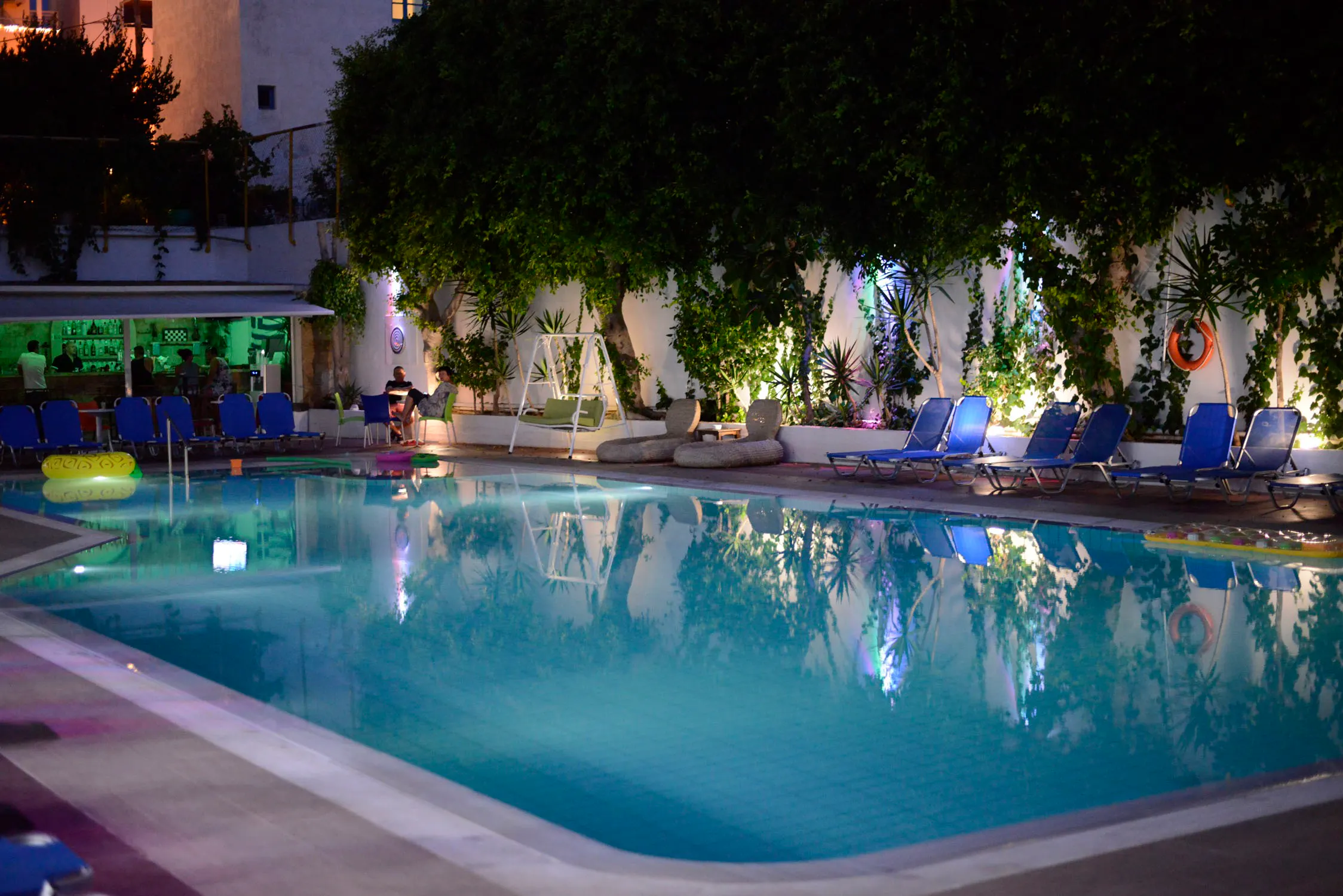
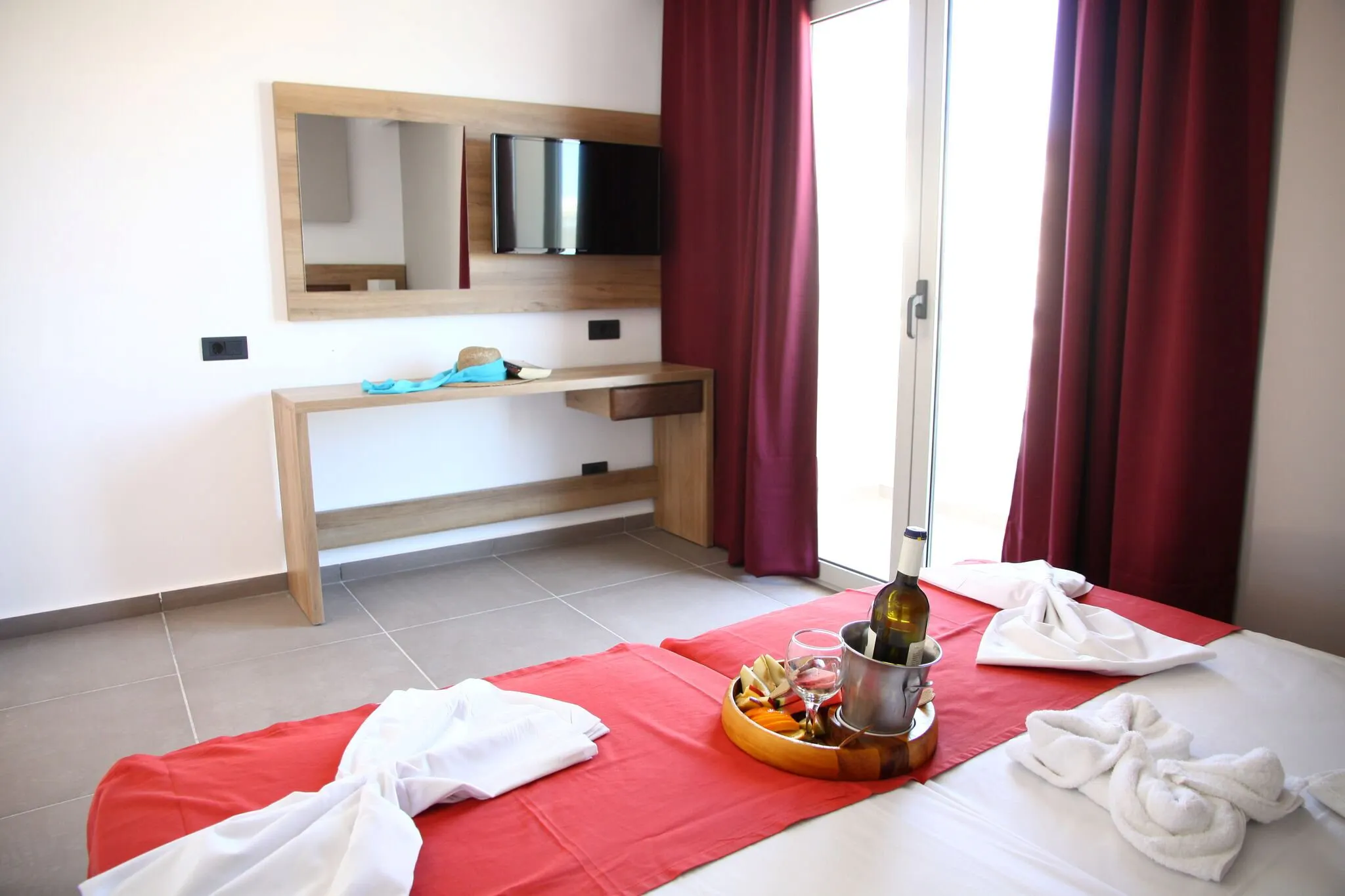
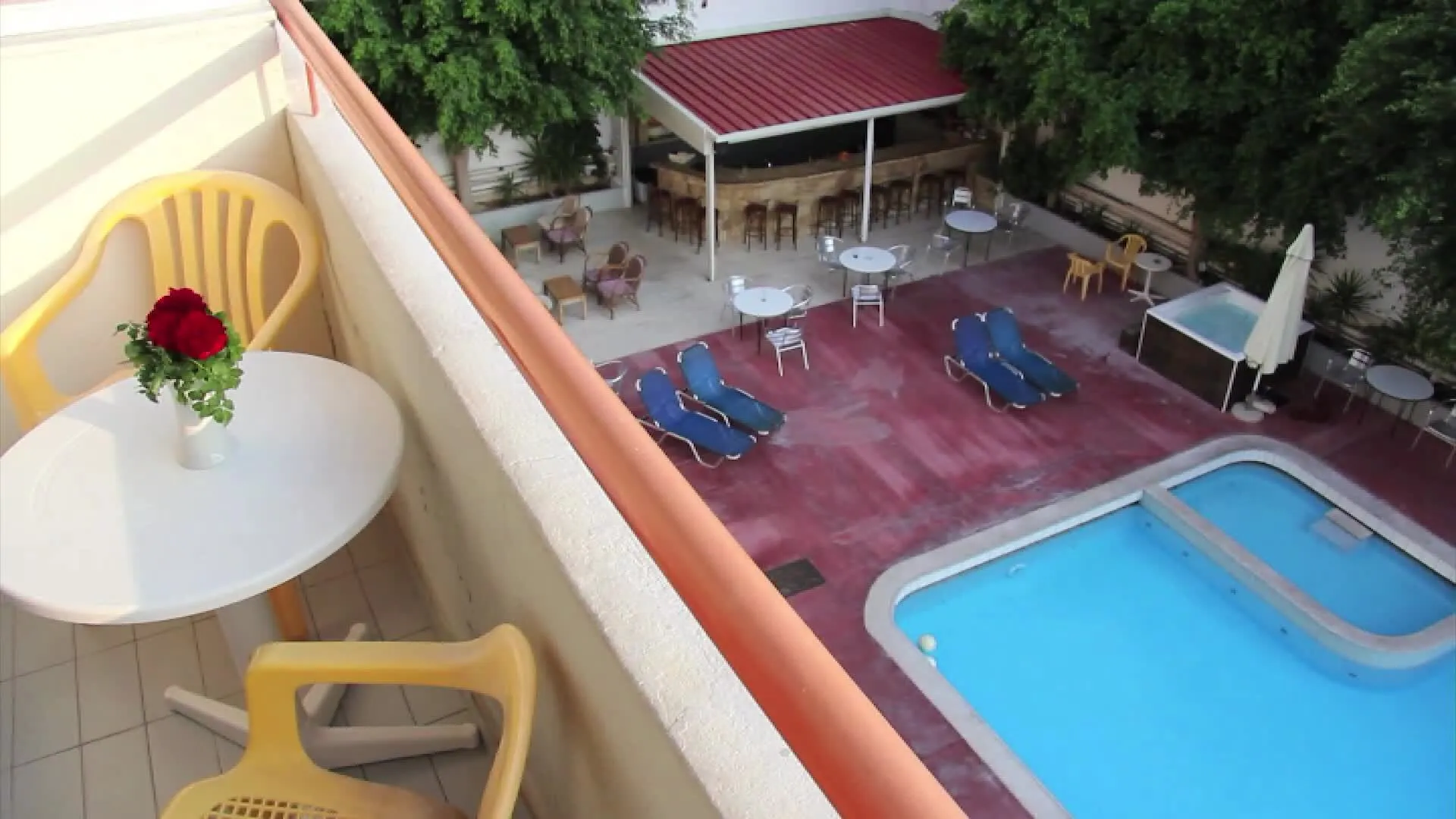
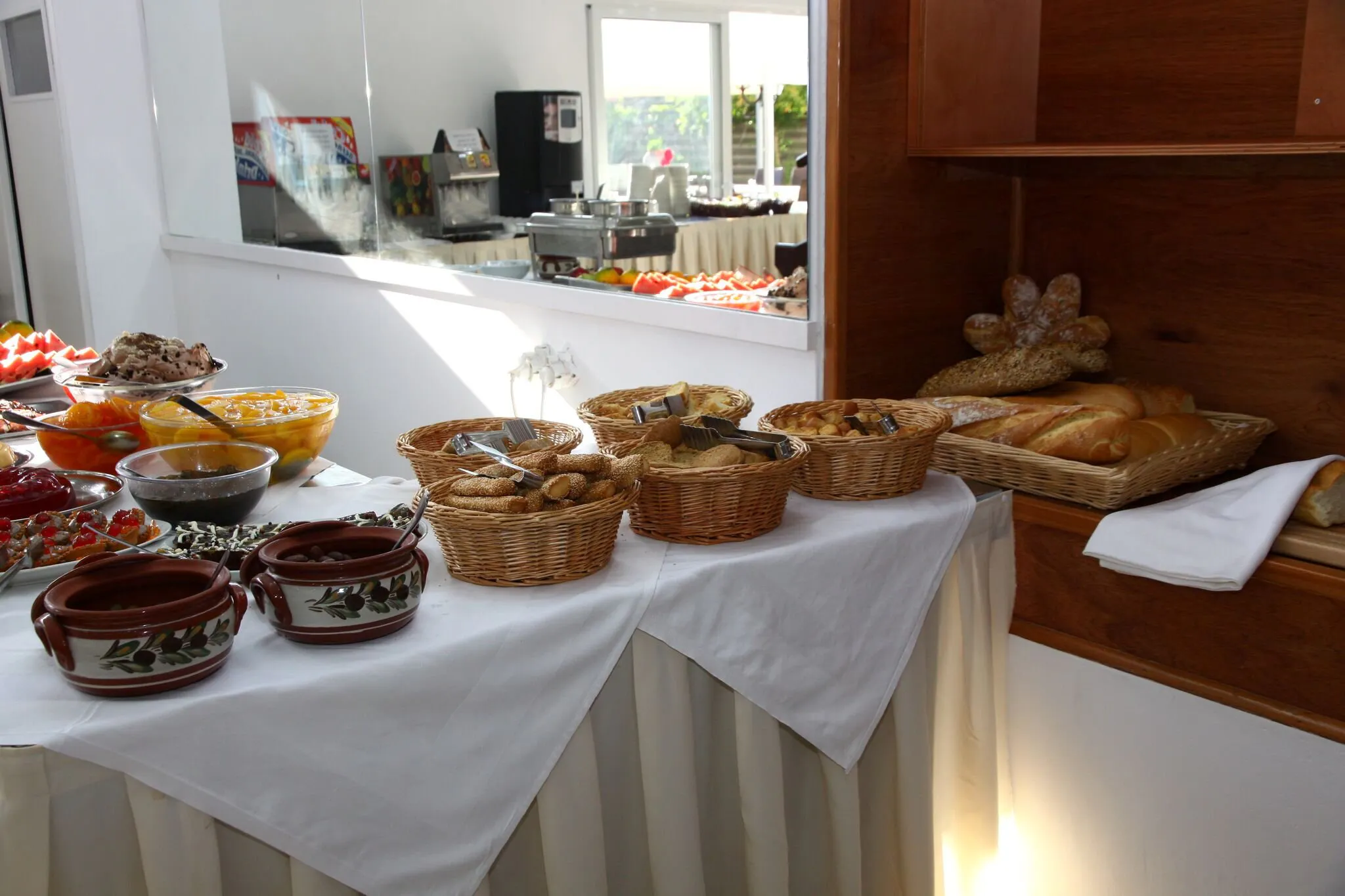
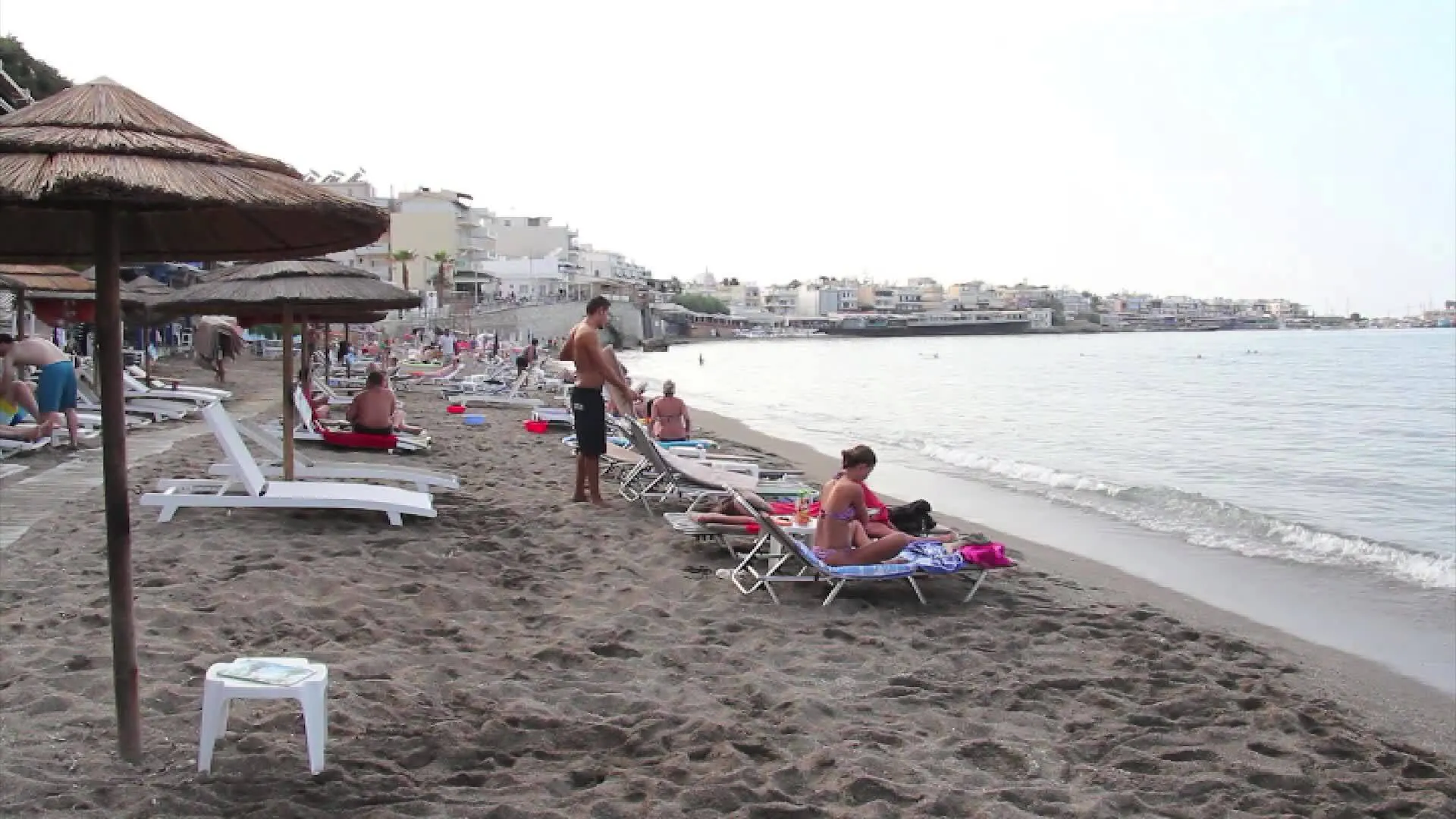


Porto Plazza
Hersonissos, Crete, Greece
399 reviews
31 Jul – 07 Aug 2026 -
Duration information
This holiday includes an overnight flight, as a result you’ll only have 6 nights in this hotel.
To explore other flight options, tap ‘View Detail’ and check the ‘Flights’ tab. Or, use the Flight Time filter on this page to see more results.
Bed and Breakfast
Out
Fri 31 Jul 2026 19:20 - East Midlands EMA
01:20 - Kreta/Heraklion HER (+1 Day)
Rtn
Fri 07 Aug 2026 01:20 - Kreta/Heraklion HER
03:30 - East Midlands EMA
Different flights might be available on the next step
Your holiday: £473pp
£945 total price
Incl. £26 mandatory fees & taxes


Cretan Village Hotel
Agios Nikolaos (Crete), Crete, Greece
242 reviews
31 Jul – 07 Aug 2026 -
Duration information
This holiday includes an overnight flight, as a result you’ll only have 6 nights in this hotel.
To explore other flight options, tap ‘View Detail’ and check the ‘Flights’ tab. Or, use the Flight Time filter on this page to see more results.
Room Only
Out
Fri 31 Jul 2026 19:20 - East Midlands EMA
01:20 - Kreta/Heraklion HER (+1 Day)
Rtn
Fri 07 Aug 2026 01:20 - Kreta/Heraklion HER
03:30 - East Midlands EMA
Different flights might be available on the next step
Your holiday: £488pp
£977 total price
Incl. £51 mandatory fees & taxes


Fevro
Agia Galini, Crete, Greece
46 reviews
31 Jul – 07 Aug 2026 -
Duration information
This holiday includes an overnight flight, as a result you’ll only have 6 nights in this hotel.
To explore other flight options, tap ‘View Detail’ and check the ‘Flights’ tab. Or, use the Flight Time filter on this page to see more results.
Bed and Breakfast
Out
Fri 31 Jul 2026 19:20 - East Midlands EMA
01:20 - Kreta/Heraklion HER (+1 Day)
Rtn
Fri 07 Aug 2026 01:20 - Kreta/Heraklion HER
03:30 - East Midlands EMA
Different flights might be available on the next step
Your holiday: £514pp
£1,027 total price
Incl. £26 mandatory fees & taxes


Iro Hotel - Adults Friendly
Hersonissos, Crete, Greece
159 reviews
31 Jul – 07 Aug 2026 -
Duration information
This holiday includes an overnight flight, as a result you’ll only have 6 nights in this hotel.
To explore other flight options, tap ‘View Detail’ and check the ‘Flights’ tab. Or, use the Flight Time filter on this page to see more results.
All Inclusive
Out
Fri 31 Jul 2026 19:20 - East Midlands EMA
01:20 - Kreta/Heraklion HER (+1 Day)
Rtn
Fri 07 Aug 2026 01:20 - Kreta/Heraklion HER
03:30 - East Midlands EMA
Different flights might be available on the next step
Your holiday: £512pp
£1,025 total price
Incl. £10 mandatory fees & taxes


Portokali Apartments
Hersonissos, Crete, Greece
32 reviews
31 Jul – 07 Aug 2026 -
Duration information
This holiday includes an overnight flight, as a result you’ll only have 6 nights in this hotel.
To explore other flight options, tap ‘View Detail’ and check the ‘Flights’ tab. Or, use the Flight Time filter on this page to see more results.
Bed and Breakfast
Out
Fri 31 Jul 2026 19:20 - East Midlands EMA
01:20 - Kreta/Heraklion HER (+1 Day)
Rtn
Fri 07 Aug 2026 01:20 - Kreta/Heraklion HER
03:30 - East Midlands EMA
Different flights might be available on the next step
Your holiday: £519pp
£1,039 total price
Incl. £10 mandatory fees & taxes
Crete highlights
NORTHERN BEACHES
Crete’s northern coast has plenty of Blue Flag beaches – with Chania and Aghios Nikolaos having the best options.
HISTORIC SIGHTS
The Palace of Knossos brings the island’s myths and stories to life, and the museums around Aghios Nikolaos add extra detail when you fancy a break from the sun.
CITY OR COAST
Base yourself in Heraklion if you want history, shops and plenty of places to eat, or choose Chania for a calmer stay by the waterfront with Blue Flag beaches close by.
INLAND WALKS
If you want to swap the shoreline for something greener, head inland from Chania to Samaria Gorge – it’s a protected natural area with walking trails.
Your guide to Crete
Must-see sights
Crete mixes ancient history with clear lagoons and rugged mountain scenery.
The Palace of Knossos – The heart of the Minoan civilisation and home of the Minotaur legend – it’s best visited later in the day to avoid the heat and bigger crowds.
Elafonisi Beach – Known for its pale pink sand and shallow turquoise water, this protected nature reserve feels a world away from the busy resorts.
Samaria Gorge – One of Europe’s longest canyons, running 16km through the White Mountains to the Libyan Sea. You can complete the full walk if you’ve got hiking boots, or arrive by boat from Agia Roumeli to see highlights like the Iron Gates.
Balos Lagoon – A wild coastal spot with white and pink sands and shallow green-blue water, reached by boat or a bumpy 4x4 track.
Spinalonga Island – A former Venetian fortress, and later one of Europe’s last leper colonies. Smaller boats from Plaka offer a shorter, more scenic crossing than the larger tourist services from Agios Nikolaos.
History and arts
Visit one of these places if you want to explore a bit deeper into Crete’s past.
Heraklion Archaeological Museum – One of Europe’s most important museums, with the world’s largest collection of Minoan artefacts.
Rethymnon Old Town – A well-preserved mix of Venetian mansions, Ottoman buildings and narrow streets lined with flowers and small shops.
Arkadi Monastery – A 16th-century monastery, remembered for its role in Crete’s fight for independence.
Local experiences
These experiences give you a feel for Crete beyond the main sights.
Traditional village life in Anogeia – A mountain village on the slopes of Mount Psiloritis, known for its strong traditions and music. Local workshops still produce hand-woven textiles using skills passed down over generations.
Olive oil tasting – Crete is covered in olive groves, and many small estates offer relaxed tastings that explain how oil is made, often with a chance to try a few different varieties.
Cretan lyra performances – The three-stringed lyra is central to local culture. Village festivals are the best place to hear it played properly, with live music and dancing rather than staged shows.
Festivals and events
Cretan Diet Festival, July – Held in Rethymnon and focusing on local produce, with cooking demonstrations, wine tastings and traditional music and dancing.
Easter, April or May – The most important time in the Greek Orthodox calendar, marked by candlelit processions on Good Friday and shared meals on Easter Sunday.
The Feast of St. Titus, 25th August – A major celebration in Heraklion honouring the island’s patron saint, with religious processions and festivities.
Live like a local
Get to know local life a little better with one of these everyday rituals.
The Kafeneio ritual – Traditional coffee houses are still the heart of village life, and locals enjoy a Greek coffee or raki while socialising with friends or family.
Picking wild herbs – Many locals head into the hills to gather oregano, sage and mountain tea, which are used daily at home and known for their health benefits.
Sunday family lunches – Sundays are about spending time together and families often drive into the mountains to find a taverna for an authentic meal.
Daytrips
These daytrips show a different side of Crete.
Lasithi Plateau – A fertile mountain plain known for its white-sailed windmills and the Psychro Cave, linked to the myth of Zeus. It’s around 90 minutes from Heraklion, so it works best as a half-day trip.
Preveli Beach and Palm Forest – A striking spot where a river meets the sea, backed by a natural palm forest – it’s about 45 minutes from Rethymnon.
Santorini – High-speed ferries make it possible to visit Santorini for the day. From Heraklion, it takes around two hours each way, giving you time to see the blue-domed churches and caldera before heading back.
Local favourites
These are some of the dishes you’ll see most often on Cretan restaurant menus.
Dakos – A classic Cretan salad made with a barley rusk soaked in olive oil, topped with fresh tomatoes, mizithra cheese and oregano.
Kalitsounia – Small handmade pies that come either savoury, filled with greens and cheese, or sweet, finished with thyme honey.
Gamopilafo – A rich rice dish traditionally served at weddings, cooked in a goat and lamb broth, finished with butter and lemon. You’ll mainly find this dish in traditional tavernas.
Sfakianopita – A thin, pancake-like pie from the Sfakia region, usually served with local honey poured over the top.
Chochlioi boubouristi – This local delicacy is made of fried snails seasoned with rosemary and vinegar, often ordered as a meze alongside a carafe of raki.
Local drinks
Here are some traditional Cretan drinks you may want to try.
Tsikoudia (raki) – A strong grape spirit that’s part of everyday hospitality. It’s often offered chilled as a welcome drink, after a meal or at social gatherings.
Vidiano wine – An ancient Cretan white grape variety that has become more popular recently. It produces elegant, medium-bodied wines with notes of apricot and mineral undertones.
Malotira (mountain tea) – A caffeine-free herbal tea made from plants grown in Crete’s high mountains.
Nightlife
Nightlife on the island ranges from laidback bars along Chania’s harbour to lively clubs in Malia and Hersonissos.
Chania Old Town – For relaxed evenings head to a small courtyard bar such as Sinagogi and Kahlua Café Bar.
Agios Nikolaos – Around Lake Voulismeni, spots like Gioma Meze Cocktail Bar and Karnagio offer cocktails with a view.
Malia – If you’re after a big night out, head to one of the large clubs on Malia’s main strip. Places like Apollo Club and Zig Zag are popular options for late nights and loud music.
Why couples love Crete
Crete works well for a romantic trip away. There are smaller hotels set in old Venetian buildings, waterfront tavernas that work well for sunset dinners, and quieter spots along the south coast if you’re happy to travel a bit further for more privacy.
Why families love Crete
Crete is straightforward for family trips. Beaches like Georgioupoli and Elafonisi have shallow water that works well for younger children, and many hotels are set up with family rooms and kids’ clubs.
Why groups love Crete
Crete has plenty of activities to do together – boat trips, winery visits and long, relaxed meals where everyone can dip in and out. It works well for groups who want flexibility rather than a fixed schedule.
Why solo travellers love Crete
Crete is a comfortable place to travel alone – the people are welcoming, the main towns feel safe, and there’s a good range of hotels to choose from.
Places to shop
Shopping in Crete is more about local crafts and everyday food than big-name brands.
The Leather Lane (Skridlof Street), Chania – A historic street where you’ll find handmade leather sandals, bags and belts.
1866 street, Heraklion – This central market street is lined with stalls selling everything from local cheeses to traditional Cretan knives.
Rethymnon Old Town – This charming area has independent boutiques selling modern Greek fashion, handmade jewellery and high-end ceramics.
Souvenirs and local finds
Take home one of these souvenirs to remember your holiday to Crete.
Cretan honey – Thyme honey from Crete is known for its high quality and distinct floral aroma. Look for jars that specify they’re ‘unfiltered’ for the best flavour.
Olive wood products – Hard-wearing and beautifully grained, olive wood is used to make everything from salad bowls to chess sets.
Komboloi (worry beads) – While common across Greece, Cretan versions often use high-quality materials like olive wood or amber.
Markets
For everyday food shopping and local flavours, head to a traditional market.
The Laiki (Street Markets) – Weekly markets pop up in towns across the island. Chania’s Saturday market is a good option, with stalls selling fresh fruit, vegetables and mountain herbs at local prices.
Chania Municipal Market (Agora) – A historic, cross-shaped market building that’s long been the centre of the city’s food trade.
Car Hire
Hiring a car is useful if you want freedom to reach quieter beaches and mountain villages, especially in the south and west. While the main coastal road is straightforward, the mountain routes can be narrow and winding, which makes driving trickier. If you’re planning to travel to places like Balos, check your insurance covers undercarriage damage.
KTEL Buses
A reliable, great-value way to travel between major towns like Chania, Rethymnon, Heraklion and Agios Nikolaos. Buses are modern, air-conditioned and usually on time, with tickets bought at stations or sometimes on board.
Taxis
Handy for short trips within towns. Meters are used in cities, but for longer journeys it’s best to agree a price before you set off.
Ferries and Water Taxis
The easiest way to reach car-free villages on the south coast, including Loutro and Agia Roumeli. Services can be weather-dependent, so it’s a good idea to check the forecast as strong winds can cause cancellations.
Why we love Crete
Here are some top tips from our team
Expert recommendation
“If you’re staying in Chania and want something quick and affordable, Delish is a solid option. It’s right in the centre on Tsouderon Street and it was one of the best places we tried for Greek street food. The menu is huge, with both meat and vegetarian options. We loved the pork souvlaki and the chicken gyros, and the portions were big, too”. – Rachel Coppenhall
Non-touristy activities
If you want something quieter and more authentically Greek, head inland to Theriso village, just outside Chania. It’s around a 30-minute drive through the Theriso Gorge and is known locally for long, relaxed lunches rather than sightseeing. Despite being close to the coast, it feels peaceful and more traditional – a good option if you want a change of pace for the day.
Free things to do
Crete is generous with experiences that cost nothing at all. Walking parts of Chania’s Old Town early in the morning or at dusk is free and much calmer than midday, especially around the Venetian walls and harbour. You can also visit local beaches outside the main resorts, like Koumbes near Rethymnon or Nea Chora in Chania.
Popular holiday types
Family holidays to Crete
Crete works well for family breaks, with shallow beaches, family-friendly hotels and plenty of space to spread out. There’s a good mix of larger resorts and quieter towns, so you can balance easy days by the pool with simple trips out.
All Inclusive holidays to Crete
All Inclusive holidays in Crete are a practical way to keep costs predictable. Many hotels include meals, drinks and activities, which can suit families and anyone who prefers to relax without thinking about daily spending.
Luxury holidays to Crete
Luxury holidays in Crete tend to focus on well-located resorts with sea views. Prices are higher than standard stays, but often better value than other Mediterranean luxury spots.
Last-minute holidays to Crete
Crete is a strong choice for last-minute trips thanks to frequent flights and a wide range of hotels. You’ll usually find the best value if you’re flexible on resort and room type, especially outside peak school holidays.
Crete FAQs
Driving in Crete is generally safe, but it can feel a bit different if you’re not used to it. Locals often use the hard shoulder to let faster cars overtake, so don’t be surprised if this happens. If someone flashes their lights from behind, it usually means they plan to pass – easing slightly to the right helps give them space.
In bigger towns and many northern resorts, tap water is generally safe to drink, but it can taste quite mineral-heavy. In smaller villages, most people stick to bottled water instead – it’s inexpensive and easy to pick up everywhere.
One thing to know in Greece – toilet paper usually isn’t flushed. The plumbing is older and pipes are narrow, so paper goes in the small bin next to the toilet instead.
Card payments are now standard in most shops and restaurants, but you should always carry some cash for small village tavernas, remote beach kiosks and tipping.
The best time to visit for hiking is April, May and October. Temperatures usually sit around 20-24°C, wildflowers are out and major routes like Samaria Gorge are open without the intense heat of July and August.
When you click through to book your holiday, we’ll supply the exact travel requirements for your chosen destination through our partner, Passolution. In the meantime, check the FCDO for the most up-to-date information on entry requirements and health and safety information.